
Solid vs Mesh Windscreen Sunvisors: Which Is Right for Your Vehicle?
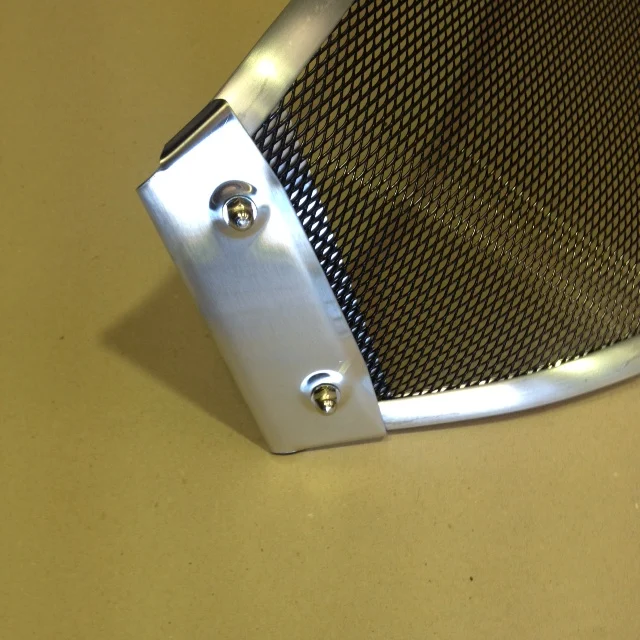
Choosing the right windscreen sunvisor can make a noticeable difference to your driving comfort, vehicle appearance and protection from harsh sunlight. But when you are comparing a solid sunvisor with a mesh windscreen sunvisor, which one is actually better?
The answer depends on how you use your vehicle, how much glare reduction you need, your preferred appearance and the conditions in which you drive.
Both solid and mesh windscreen sunvisors are designed to sit above the windscreen and provide additional shade. However, they work in slightly different ways. A solid visor provides a more substantial visual barrier against direct sunlight, while a mesh visor filters sunlight while allowing some light and airflow through the material.
At Visor Investments, we offer vehicle-specific windscreen sunvisors designed for a range of cars, utes and trucks. Our current range includes both solid and mesh options, giving drivers more choice when upgrading or replacing an existing sunvisor.
In this guide, we compare solid vs mesh windscreen sunvisors so you can choose the right option for your vehicle.
What Is a Windscreen Sunvisor?
An external windscreen sunvisor is an accessory mounted above the front windscreen of a vehicle. Unlike the standard sunvisors inside the cabin, an external sunvisor provides shade from outside the windscreen.
This can be particularly useful when driving towards low morning or afternoon sunlight. An appropriately positioned external visor can reduce direct sunlight entering the upper section of the windscreen and complement the vehicle’s factory interior sunvisors.
External windscreen sunvisors are especially popular on utes, four-wheel drives, work vehicles, classic vehicles and trucks. They can also change the overall appearance of a vehicle by creating a stronger connection between the windscreen and roofline.
For example, our Ford F Series Sun Visor is designed as an external windscreen accessory that combines additional shading with a rugged truck appearance.
Solid vs Mesh Windscreen Sunvisors: What’s the Difference?
The biggest difference between the two styles is the way the visor interacts with sunlight.
Solid windscreen sunvisors
A solid windscreen sunvisor uses a relatively continuous panel or surface. Because there are fewer openings in the material, it creates a stronger visual barrier between the sun and the upper part of the windscreen.
The main advantages of a solid sunvisor include:
- Strong shade from direct sunlight
- A bold, substantial appearance
- Excellent coverage across the upper windscreen
- A traditional look on many older utes and trucks
- A good choice for drivers who prioritise maximum shading
Solid visors can be particularly attractive on work utes, classic vehicles and larger trucks where a strong exterior appearance is part of the overall build.
Mesh windscreen sunvisors
A mesh windscreen sunvisor uses a perforated or woven material. Instead of creating a completely solid barrier, mesh filters sunlight through many small openings.
This provides a balance between shade and visibility.
The advantages of a mesh windscreen sunvisor include:
- Reduced glare while retaining some visibility through the material
- A lighter visual appearance
- A classic look on many older Australian vehicles
- Good airflow through the visor
- A practical combination of function and styling
Our Ford Courier 1999–2006 Mesh Windscreen Sunvisor is a good example of this design. It is specifically designed for the Ford Courier and uses a mesh construction to filter sunlight.
Solid Sunvisors: Advantages and Disadvantages
A solid visor is often the first choice for drivers who want strong shade and a more substantial exterior appearance.
Advantages of solid sunvisors
1. Stronger sunlight blocking
Because a solid panel has fewer openings, it can provide a more complete visual barrier against direct sunlight. This can be useful when driving in bright conditions or when the sun is positioned directly above the windscreen.
2. Bold appearance
Solid sunvisors tend to create a more noticeable visual feature above the windscreen. On larger utes and trucks, this can complement other accessories such as bull bars, roof racks, canopies and side steps.
3. Traditional styling
For classic vehicle restorations, a solid visor can help create a distinctive period-inspired appearance.
4. Good choice for intense glare
If your main reason for installing a sunvisor is reducing direct glare, a solid design may be preferable.
Potential disadvantages
The main consideration is visibility. Because solid material blocks more light, it is particularly important that the visor is correctly positioned and fitted for the vehicle.
A poorly fitted or incorrectly sized accessory can create unnecessary visibility issues. Installation should always follow the manufacturer’s instructions, and the visor should not interfere with the driver’s view, windscreen operation or other vehicle equipment.
It is also important to check local vehicle regulations before fitting an external windscreen accessory. Requirements can vary between jurisdictions.
Mesh Sunvisors: Advantages and Disadvantages
Mesh sunvisors are popular because they provide a compromise between shading and visibility.
Advantages of mesh sunvisors
1. Filtered sunlight
Rather than completely blocking the area behind the visor, mesh filters incoming sunlight. This can reduce harsh glare while maintaining a more open appearance.
2. Better visual balance
Some drivers prefer mesh because it does not look as visually heavy as a solid panel. This can be particularly suitable for older utes and vehicles where an original-style appearance is important.
3. Airflow
The openings in mesh allow air to pass through the visor. This can be an advantage compared with a completely solid surface, particularly when considering the accessory’s aerodynamic exposure.
4. Classic Australian ute styling
Mesh sunvisors are strongly associated with many older work utes and utility vehicles. If you are restoring a vehicle, a mesh visor can help preserve that character.
For example, the Ford Courier Windscreen Sunvisor currently offers both Solid and Mesh types, allowing owners to select the style that best suits their vehicle and preferences.
Potential disadvantages
Mesh does not provide the same uninterrupted barrier as a solid panel. If your highest priority is maximum shading from direct sunlight, you may prefer a solid construction.
Mesh can also require more attention to cleaning because dust and dirt can become visible within the openings.
Solid vs Mesh: Which Offers Better Glare Reduction?
If glare reduction is your main concern, both styles can help, but they do so differently.
A solid windscreen sunvisor generally provides stronger blocking because the material creates a more continuous barrier. This makes it particularly attractive to drivers who regularly encounter intense sunlight.
A mesh windscreen sunvisor takes a filtering approach. The open structure allows some light through while reducing the intensity of direct sunlight.
The right choice therefore depends on your driving conditions.
If you regularly drive during sunrise or sunset and experience strong glare, consider how the sunvisor interacts with your particular windscreen angle and seating position. If you want filtered light and a lighter appearance, mesh may be the better option.
Solid vs Mesh: Which Looks Better?
Appearance is subjective, but the difference between the two styles can be significant.
A solid sunvisor tends to produce a stronger, more aggressive appearance. It can work especially well on large trucks, customised utes and vehicles with other substantial exterior accessories.
A mesh sunvisor generally has a lighter and more traditional appearance. It can be particularly suitable for classic utes, restorations and drivers who want a factory-inspired look.
For example, a Ford Courier owner restoring an older vehicle may prefer a mesh design because it complements the vehicle’s original character.
On the other hand, a modern or heavily customised truck may look better with a solid visor that matches its larger exterior proportions.
Which Is Better for Work Utes and Trucks?
For work vehicles, the best option depends on the environment.
If the vehicle spends long periods travelling in direct sunlight, glare reduction and driver comfort may be important priorities. A properly fitted external windscreen sunvisor can provide additional shade above the windscreen while also contributing to the vehicle’s appearance.
For a traditional work ute, mesh can be an excellent choice because it provides filtered shade without creating an overly heavy appearance.
For larger trucks and custom builds, solid sunvisors can provide a more substantial appearance and stronger visual coverage.
The most important factor is not simply choosing solid or mesh. Correct fitment is critical.
Our Ford F Series Sun Visor product information, for example, recommends checking the exact model, year, generation, cab configuration, body style and mounting arrangement before ordering.
Does a Sunvisor Affect Visibility?
Visibility should always be considered before installing any windscreen accessory.
An external visor should be positioned so that it provides useful shade without creating an unacceptable obstruction to the driver’s view.
Vehicle regulations differ between locations. As one example, Transport for NSW states that windscreen glazing generally requires at least 70% visible light transmission, with specific provisions for the upper portion of the windscreen.
These rules are an example of why vehicle owners should check the requirements applicable to their own location rather than assuming that an accessory legal in one jurisdiction is automatically legal everywhere.
For additional information about vehicle visibility and windscreen requirements, consult your local transport or road authority.
What About Vehicle Style and Resale Value?
A windscreen sunvisor can do more than reduce sunlight. It can also become a noticeable part of a vehicle’s overall design.
For enthusiasts, a well-matched visor can complement other accessories and create a more cohesive appearance.
On older vehicles, replacing a damaged, faded or missing sunvisor can also improve the vehicle’s presentation. A correctly fitted replacement can make a restoration look more complete.
However, avoid choosing a sunvisor based on appearance alone. The visor should be appropriate for the vehicle, correctly mounted and positioned so that it does not interfere with safe operation.
How to Choose the Right Windscreen Sunvisor
Before ordering, consider these five factors:
1. Your vehicle
Start with the exact make, model and year. Windscreen shapes and mounting points can vary significantly between generations.
2. Your driving conditions
Think about when and where you drive. Frequent sunrise and sunset driving may increase the value of glare reduction.
3. Your preferred style
Choose solid if you prefer a stronger, more substantial appearance. Choose mesh if you prefer filtered shade and a lighter, traditional appearance.
4. Fitment
A properly designed vehicle-specific sunvisor is generally preferable to an accessory that relies on uncertain universal fitment.
Check mounting points, dimensions and compatibility before ordering.
5. Local regulations
Always check the laws and vehicle standards applicable to your location. Rules concerning windscreen visibility and aftermarket accessories can differ.
Solid vs Mesh Windscreen Sunvisors: Quick Comparison
| Feature | Solid Sunvisor | Mesh Sunvisor |
|---|---|---|
| Sun blocking | Excellent | Very good |
| Filtered visibility | Lower | Higher |
| Airflow | Limited through material | Excellent |
| Visual appearance | Bold and substantial | Light and traditional |
| Classic vehicle styling | Good | Excellent |
| Truck/custom styling | Excellent | Very good |
| Glare reduction | Excellent | Very good |
| Best for | Maximum shading | Balanced shading and visibility |
So, Which Windscreen Sunvisor Should You Choose?
There is no single winner between solid and mesh windscreen sunvisors.
Choose a solid windscreen sunvisor if your priorities are strong shading, a bold appearance and maximum coverage.
Choose a mesh windscreen sunvisor if you want filtered sunlight, airflow, a lighter appearance and a traditional ute or truck style.
For some vehicle owners, the decision will come down to appearance. For others, glare reduction and driving conditions will be more important.
The key is to choose a visor designed for your specific vehicle and make sure it is installed correctly.
At Visor Investments, you can browse our range of vehicle-specific sunvisors and find options for different makes and models. Our Ford Courier windscreen sunvisor range is available in both solid and mesh types, while our Ford Courier 1999–2006 mesh sunvisor provides a dedicated mesh option.
Frequently Asked Questions
Is a solid or mesh windscreen sunvisor better?
A solid sunvisor generally provides stronger direct sunlight blocking, while a mesh windscreen sunvisor offers filtered shade and airflow. The better option depends on your vehicle, driving conditions and preferred appearance.
Do mesh windscreen sunvisors reduce glare?
Yes. Mesh construction can filter direct sunlight and reduce glare while allowing some light to pass through the material. The exact performance depends on the mesh design, positioning and driving conditions.
Are external windscreen sunvisors legal?
Legality depends on your location, vehicle and the specific design and installation. Always check your local vehicle regulations before installing an external windscreen sunvisor.
Will a windscreen sunvisor improve the appearance of my vehicle?
It can. External sunvisors are a popular styling accessory for utes, trucks, classic vehicles and customised builds. A correctly matched visor can complement the vehicle’s roofline and other exterior accessories.
How do I choose the correct sunvisor for my vehicle?
Check the exact make, model, year, generation, cab configuration and mounting arrangement. Vehicle-specific fitment is important because windscreens and mounting points can differ between models.
Final Thoughts
When comparing solid vs mesh windscreen sunvisors, the best choice depends on what you want from your vehicle accessory.
Solid designs are ideal for drivers who want stronger shade and a bold exterior appearance. Mesh designs are better suited to drivers who prefer filtered sunlight, airflow and a classic look.
Whichever style you choose, prioritise correct fitment, secure installation, driver visibility and compliance with local vehicle requirements.
Ready to find the right option for your vehicle? Browse the Visor Investments sunvisor range and compare available vehicle-specific windscreen sunvisors.
Leave a Reply