
Best Sunvisors for Gulf Summer (45°C+ Conditions)
Gulf summers can put vehicles through some of the harshest driving and parking conditions in the world. Temperatures can climb well above 40°C, while direct sunlight, intense glare, dust and prolonged exposure can make driving and parking uncomfortable. Government health guidance for Gulf countries describes summer daytime temperatures commonly reaching 38°C–42°C, while individual days and locations can experience significantly higher temperatures.
top picks
-
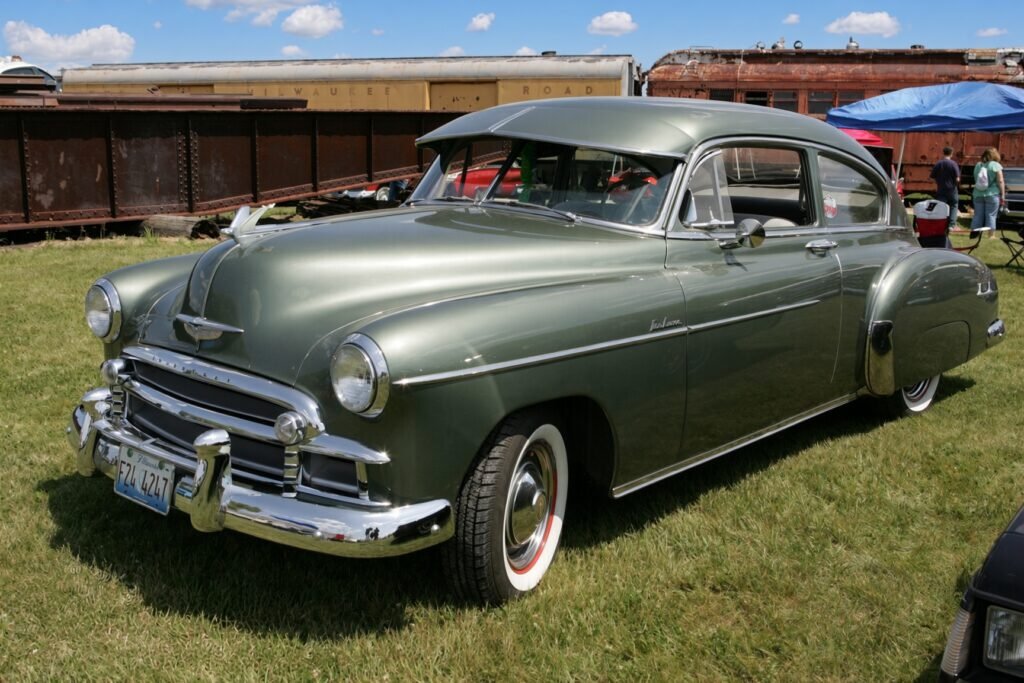
1949-52 Chevrolet Pontiac Solid Windscreen Sun visors
$500.00 -
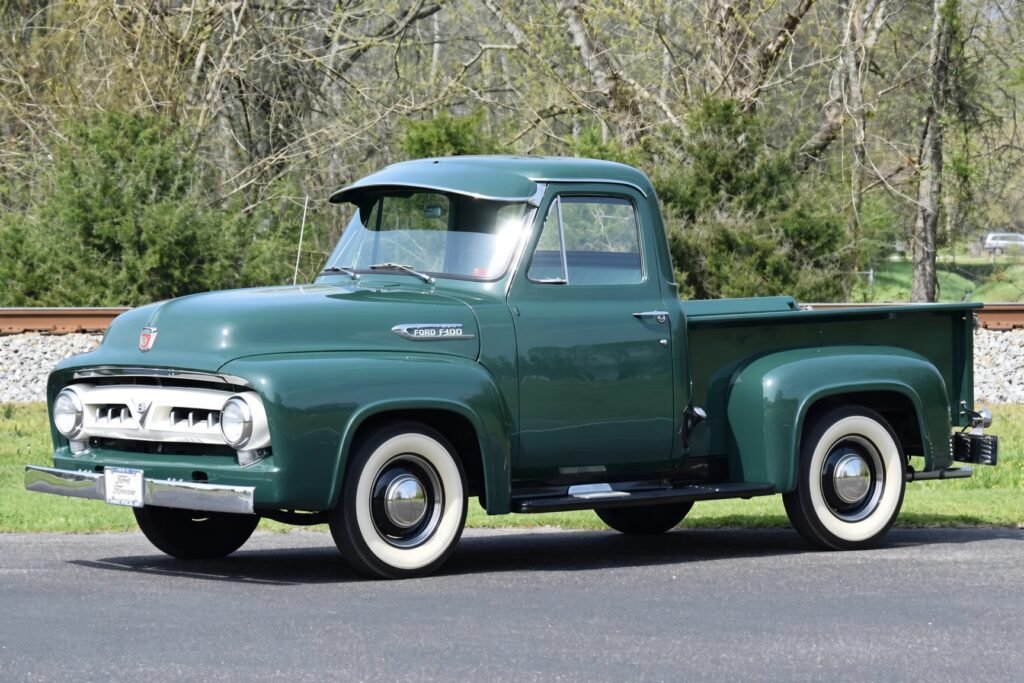
1953 Ford F-100 Windscreen sun visors
$450.00 -
1HD-FT Intake adapter
Original price was: $396.00.$350.00Current price is: $350.00. -
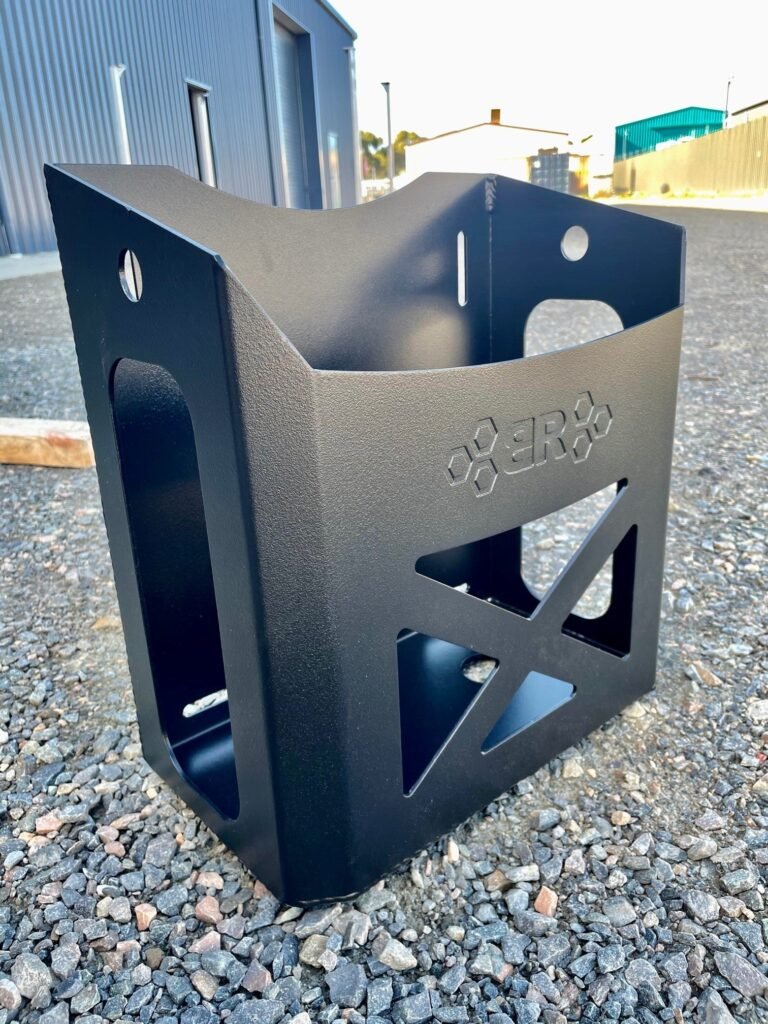
20L Single Jerry can holder
$264.00
For 4WDs, pickups and touring vehicles that spend long periods outdoors, choosing the right windscreen sunvisor can provide an additional layer of protection from direct overhead sunlight and glare.
But not all sunvisors are the same.
A visor designed for mild climates may not be the best choice for a Toyota LandCruiser, Nissan Patrol, Toyota Hilux or Ford F-Series regularly exposed to Gulf heat. The material, coverage, mounting system, vehicle fitment and construction all matter.
What Makes a Good Sunvisor for Gulf Summer?
When temperatures reach 45°C or higher, the most important consideration is how effectively a sunvisor manages direct sunlight around the upper windscreen.
A quality exterior windscreen sunvisor should provide:
- Broad upper-windscreen coverage
- Strong resistance to prolonged sun exposure
- Vehicle-specific fitment
- Durable mounting hardware
- Stable construction in high temperatures
- Effective reduction of direct sunlight and glare
- Suitable clearance around the windscreen
- Compatibility with 4WD and touring vehicles
- A finish suitable for harsh outdoor conditions
The goal isn’t to claim that a sunvisor can make a vehicle immune to extreme heat. It cannot.
Instead, an exterior sunvisor is best considered one part of a broader vehicle heat-management strategy.
Research and current UAE automotive guidance similarly point to the importance of reducing direct solar loading on the vehicle’s interior, particularly the dashboard and other surfaces exposed through the windscreen.
Why Exterior Sunvisors Are Useful in Gulf Conditions
A windscreen is one of the largest areas through which sunlight enters the front of a vehicle.
When a vehicle is parked in direct sunlight, solar radiation passes through the glass and heats the dashboard, steering wheel, seats and other interior surfaces. Those surfaces then transfer heat into the cabin. Best Sunvisors for Gulf Summer (45°C+ Conditions)
An exterior sunvisor works from outside the vehicle by creating a shaded area across the upper section of the windscreen.
This can be particularly useful for vehicles that are frequently parked outdoors.
1. Reducing Direct Sunlight
One of the main reasons Gulf drivers choose exterior windscreen sunvisors is to reduce direct overhead sunlight entering through the upper portion of the windscreen.
This can help reduce glare and direct solar exposure during driving.
2. Improving Driving Comfort
Strong sunlight from the upper portion of the windscreen can create uncomfortable glare, particularly around sunrise, sunset and when driving toward low-angle sunlight.
A properly fitted exterior sunvisor can help shade this area while maintaining the driver’s forward view.
best sunvisors for Gulf summer, Gulf summer sunvisor, buy sunvisor Gulf, windscreen sunvisor Gulf, 4WD sunvisor Gulf, desert windscreen sunvisor, sunvisor for extreme heat, sunvisor for hot climates, Middle East windscreen sunvisor, buy 4WD sunvisor UAE
3. Supporting Interior Protection
Repeated exposure to intense sunlight can contribute to deterioration of interior materials over time.
Dashboards, plastics, upholstery and trim can all be affected by prolonged UV and heat exposure.
A sunvisor does not eliminate this exposure, but reducing direct sunlight through the windscreen can form part of a broader approach to protecting the vehicle interior.
4. Particularly Useful for 4WDs
Large 4WDs are common throughout the Gulf, particularly for highway travel, desert touring, work and recreational driving.
Vehicles such as:
- Toyota LandCruiser
- Toyota Hilux
- Nissan Patrol
- Nissan Navara
- Ford F-Series
- Toyota Prado
- Mitsubishi Triton
- Isuzu D-Max
- Ford Ranger
can benefit from vehicle-specific sunvisor solutions where available.
Solid vs Mesh Sunvisors for Gulf Heat
One of the main choices when buying an exterior windscreen sunvisor is the style of the visor.
The two common options are solid and mesh.
Solid Windscreen Sunvisor
A solid sunvisor creates a continuous shaded barrier across the upper windscreen area.
This style is particularly attractive to drivers looking for strong glare reduction and a bold 4WD appearance.
Solid visors are commonly available in materials such as acrylic or other rigid constructions, depending on the manufacturer.
When selecting a solid visor for Gulf conditions, look for:
- UV-stable construction
- Strong mounting hardware
- Vehicle-specific design
- Appropriate clearance
- Durable finish
- Correct installation instructions
A correctly designed solid visor can be especially suitable for large 4WDs regularly exposed to intense sunlight.
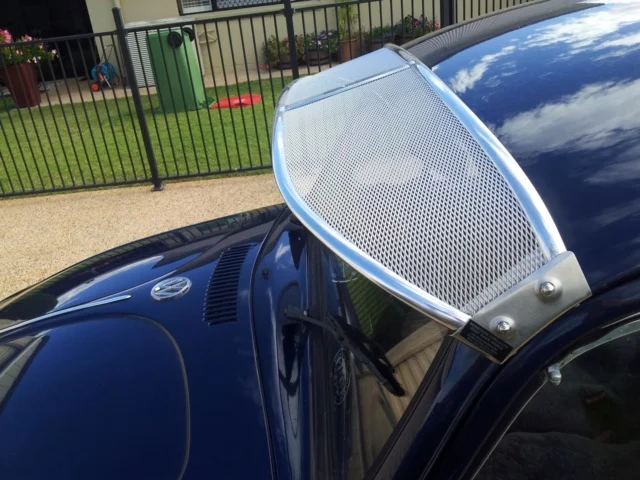
Mesh Windscreen Sunvisor
Mesh sunvisors use a perforated material that provides shade while allowing airflow through the visor.
This can be an attractive option for drivers who prefer a lighter appearance or airflow through the visor.
Mesh is also commonly marketed for 4WDs and touring vehicles where reducing glare while maintaining airflow is important.
The choice between solid and mesh ultimately depends on the vehicle, driving conditions, appearance preference and the level of shading required.
What to Look for in a Gulf Sunvisor
If you’re buying a sunvisor for use in Saudi Arabia, UAE, Qatar, Kuwait, Bahrain or Oman, don’t select one simply because the product description says “sunvisor.”
Check the construction carefully.
UV Resistance
A visor exposed to Gulf sunlight needs to tolerate repeated solar exposure.
Look for products specifically designed for exterior automotive use and ask about UV-stable materials or finishes where appropriate.
Heat Resistance
A visor mounted outside the vehicle will experience direct sunlight and elevated surface temperatures.
Materials and mounting components should therefore be appropriate for exterior automotive applications.
Correct Vehicle Fit
Fitment is extremely important.
A universal visor may leave gaps around the windscreen or require compromises during installation.
A vehicle-specific visor is designed around the dimensions and shape of a particular windscreen and roofline.
For this reason, searches such as:
Toyota LandCruiser sunvisor
Nissan Patrol sunvisor
Toyota Hilux sunvisor
Nissan Navara sunvisor
and Ford F-Series sunvisor
can be more useful than simply searching for “car sunvisor.”
Best 4WD Sunvisor Applications for Gulf Countries
Toyota LandCruiser Sunvisor
The Toyota LandCruiser is widely used for touring, work and off-road applications.
LandCruiser 70 Series, 80 Series, 100 Series, 200 Series and other variants can require different fitments, so always verify the exact model and year before purchasing.
Nissan Patrol Sunvisor
The Nissan Patrol is another popular large 4WD platform for Gulf driving.
GU/Y61 and Y62 models have different body designs and should not be treated as interchangeable.
For GU Patrol owners, search specifically for:
Nissan Patrol GU sunvisor
Patrol Y61 sunvisor
GU Patrol windscreen sunvisor
Patrol GU external sunvisor
Toyota Hilux Sunvisor
The Hilux is commonly used throughout the Middle East for work, touring and recreational driving.
N70, N80 and newer-generation Hilux models require different fitments.
For N70 owners, useful searches include:
Toyota N70 Hilux sunvisor
Hilux Vigo sunvisor
N70 windscreen sunvisor
Ford F-Series Sunvisor
Ford F-Series pickups are also used in hot-climate markets.
A vehicle-specific exterior sunvisor can add shading and provide a rugged appearance suitable for large pickups.
Gulf Countries Where Sunvisors Are Particularly Relevant
A Gulf-focused sunvisor strategy can target individual markets rather than treating the entire region as one search market.
Saudi Arabia
Searches can include:
- Buy sunvisor Saudi Arabia
- Windscreen sunvisor Saudi Arabia
- 4WD sunvisor Saudi Arabia
- LandCruiser sunvisor Saudi Arabia
- Patrol sunvisor Saudi Arabia
- Hilux sunvisor Saudi Arabia
United Arab Emirates
Potential commercial searches include:
- Buy sunvisor UAE
- Windscreen sunvisor UAE
- Exterior sunvisor UAE
- 4WD sunvisor UAE
- LandCruiser sunvisor UAE
- Nissan Patrol sunvisor UAE
Qatar
Target searches such as:
- Buy sunvisor Qatar
- Windscreen sunvisor Qatar
- 4WD sunvisor Qatar
- Patrol sunvisor Qatar
- Hilux sunvisor Qatar
Kuwait
Potential searches include:
- Buy sunvisor Kuwait
- Windscreen sunvisor Kuwait
- Exterior sunvisor Kuwait
- 4WD sunvisor Kuwait
- Hilux sunvisor Kuwait
- Patrol sunvisor Kuwait
Bahrain
Commercial searches can include:
- Buy sunvisor Bahrain
- Windscreen sunvisor Bahrain
- 4WD sunvisor Bahrain
- Toyota sunvisor Bahrain
- Nissan Patrol sunvisor Bahrain
Oman
For Oman, useful searches include:
- Buy sunvisor Oman
- Windscreen sunvisor Oman
- 4WD sunvisor Oman
- Desert sunvisor Oman
- LandCruiser sunvisor Oman
- Patrol sunvisor Oman
Does a Sunvisor Keep the Whole Vehicle Cool?
It’s important to have realistic expectations.
An exterior sunvisor is not an air-conditioning system and should not be marketed as one.
Its main function is to reduce direct sunlight and glare around the windscreen area.
The amount of heat reduction depends on factors including vehicle design, parking orientation, visor coverage, glass area, ambient temperature and how long the vehicle remains exposed to sunlight.
Recent reporting on UAE vehicle heat similarly notes that a parked vehicle can become substantially hotter than the surrounding air because solar radiation heats interior surfaces through the glass.
For maximum protection, combine a sunvisor with other sensible measures such as:
- Parking in shade whenever possible
- Using an appropriate windscreen shade when parked
- Maintaining the vehicle’s air-conditioning system
- Checking tyre pressures
- Keeping the vehicle maintained
- Protecting sensitive interior surfaces
- Allowing the vehicle to cool appropriately before driving
Abu Dhabi Police specifically recommends maintaining the air-conditioning system and correct tyre pressure during hot weather, and advises drivers to take additional precautions during summer.
Sunvisor vs Interior Windscreen Sunshade
These products are sometimes confused because both are designed to deal with sunlight.
An exterior windscreen sunvisor is mounted outside the vehicle, normally above the windscreen.
An interior windscreen sunshade is placed inside the vehicle against the windscreen when parked.
They can serve complementary purposes.
An interior reflective shade can cover much of the windscreen while the vehicle is parked, while an exterior sunvisor can provide additional overhead shading and glare reduction during normal driving.
For a Gulf vehicle that spends significant time outdoors, using both where appropriate can provide a more comprehensive approach to solar exposure.
Choosing the Right Sunvisor for 45°C+ Conditions
Before buying, check these points:
1. Vehicle:
Confirm the exact make, model and generation.
2. Year:
Some vehicles changed windscreen dimensions or mounting arrangements between model years.
3. Sunvisor type:
Choose between solid and mesh according to your requirements.
4. Material:
Look for exterior-grade, UV-resistant construction where specified.
5. Mounting:
Check how the visor attaches to the vehicle and whether the supplied hardware is appropriate.
6. Coverage:
The visor should provide useful coverage without obstructing the driver’s view.
7. Installation:
Follow the manufacturer’s instructions carefully.
8. Climate:
For Gulf use, consider prolonged exposure to high temperatures, direct sunlight, dust and sand.
Where to Buy Gulf-Ready 4WD Sunvisors
If you’re looking for a Toyota, Nissan, Ford or other 4WD windscreen sunvisor, start with the exact vehicle model rather than a generic search.
For example, someone searching for a Nissan Patrol should look for a model-specific Patrol GU/Y61 sunvisor, while a Hilux owner should identify the correct Hilux generation before ordering.
Browse Visor Invetments PTY sunvisors
Vehicle-specific fitment is particularly important for exterior accessories because windscreen dimensions, roof profiles and mounting points vary considerably between models.
Final Thoughts
For Gulf summer conditions reaching 45°C and beyond, a quality exterior windscreen sunvisor can be a useful addition to a 4WD, pickup or touring vehicle.
The most important factors are correct vehicle fitment, durable exterior construction, effective coverage, UV resistance and secure mounting.
Solid and mesh designs each have advantages, while model-specific options are generally preferable to poorly fitting universal accessories.
For drivers in Saudi Arabia, UAE, Qatar, Kuwait, Bahrain and Oman, a sunvisor should be viewed as one part of a broader hot-weather vehicle strategy—not a replacement for air conditioning, proper maintenance, shade or safe summer-driving practices.
When choosing your next visor, search by the exact vehicle and generation, such as Toyota LandCruiser sunvisor, Toyota Hilux sunvisor, Nissan Patrol GU sunvisor, Nissan Navara sunvisor or Ford F-Series sunvisor, and verify fitment before ordering.