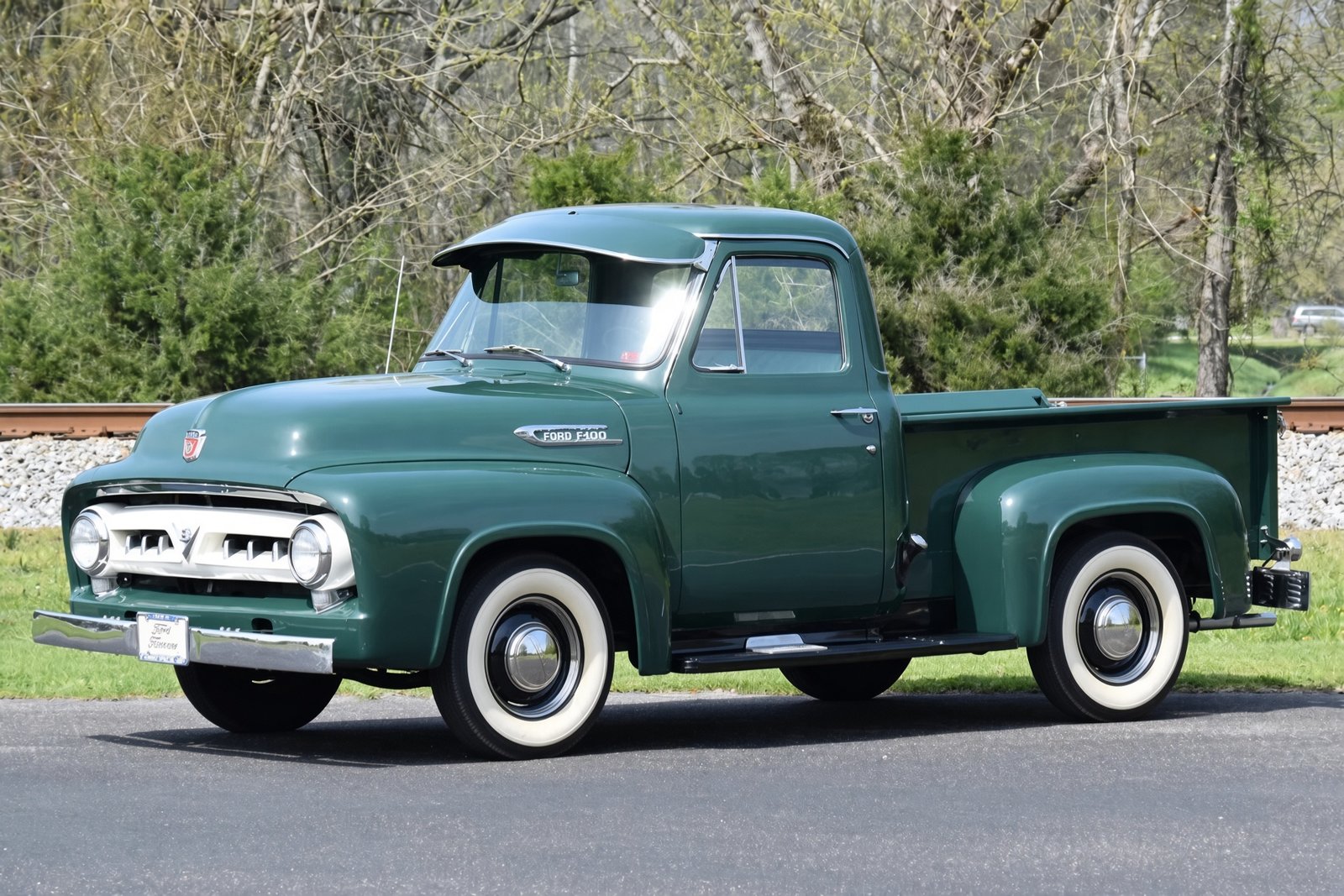
Description
1953 Ford F-100 Windscreen Sun Visors
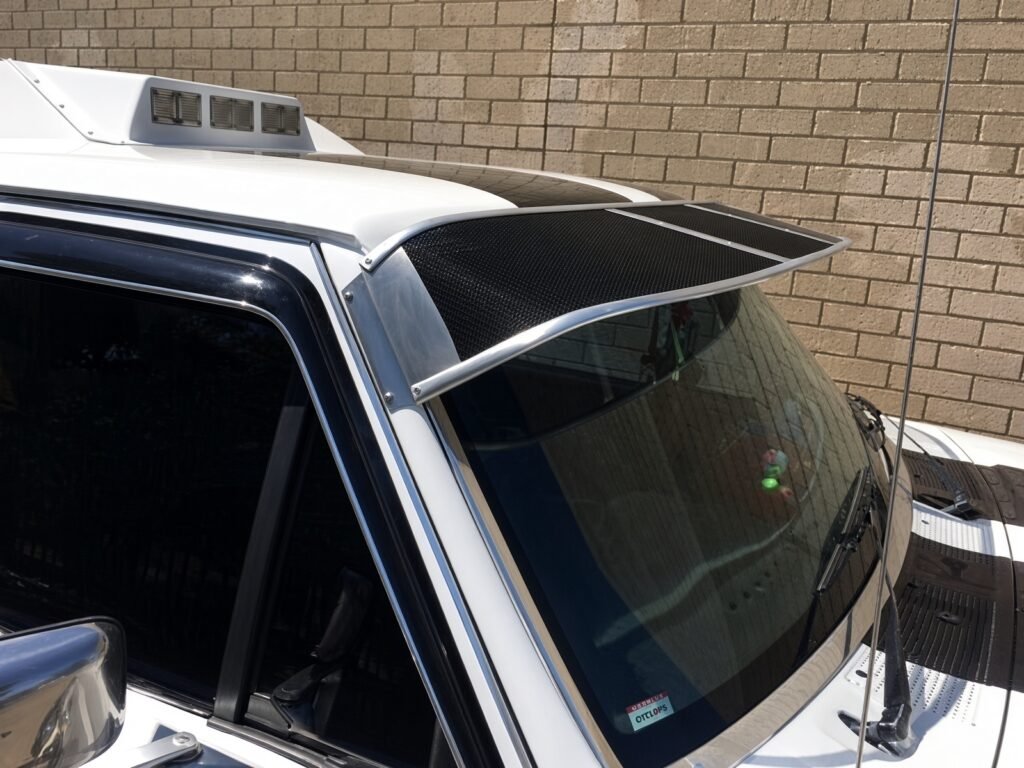
Give your classic pickup the finishing touch with a 1953 Ford F-100 windscreen sun visor designed for the exterior of the cab. An exterior visor adds classic period styling while helping shade the upper portion of the windshield from direct sunlight and glare.
The 1953 F-100 introduced a redesigned cab and larger windshield area as part of Ford’s new F-Series design for the model year. Original and reproduction-style exterior visors remain a popular accessory for restorations, traditional hot rods and classic pickups.
Whether you’re restoring a factory-style truck, building a traditional custom or simply want to give your F-100 a more distinctive appearance, a properly fitted windshield visor can make a significant difference to the overall look of the cab.
Classic Exterior Styling for the 1953 F-100
The windshield visor is one of those accessories that immediately changes the character of a classic truck.
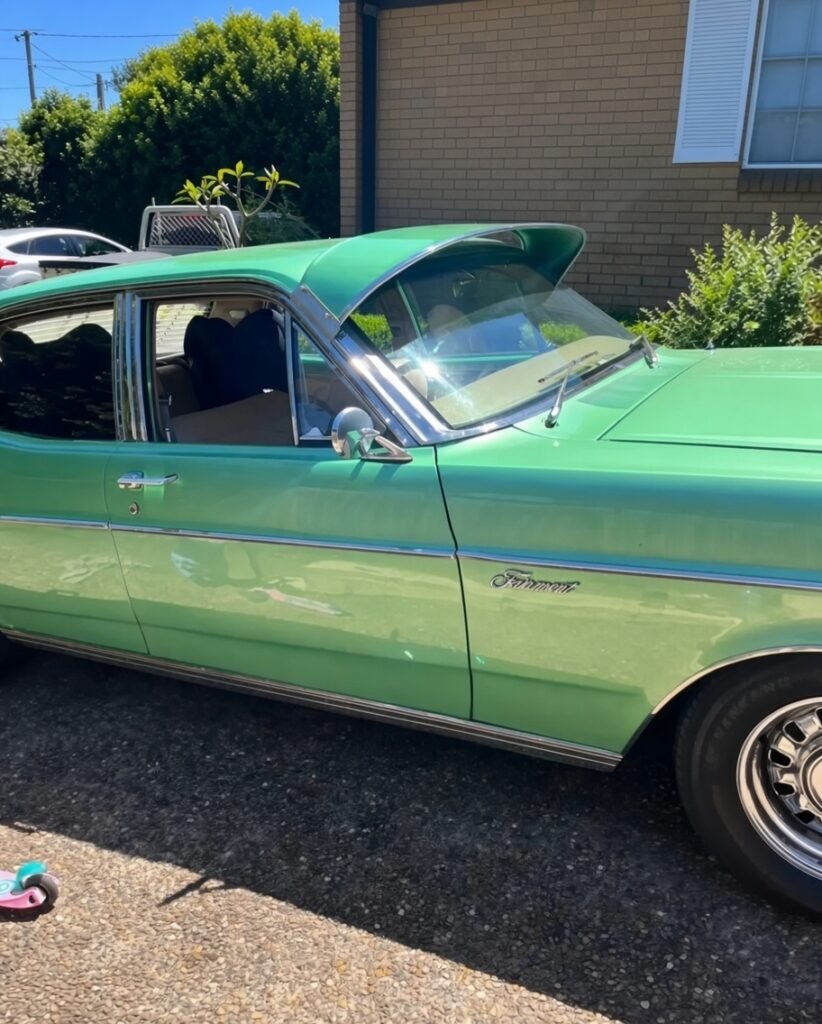
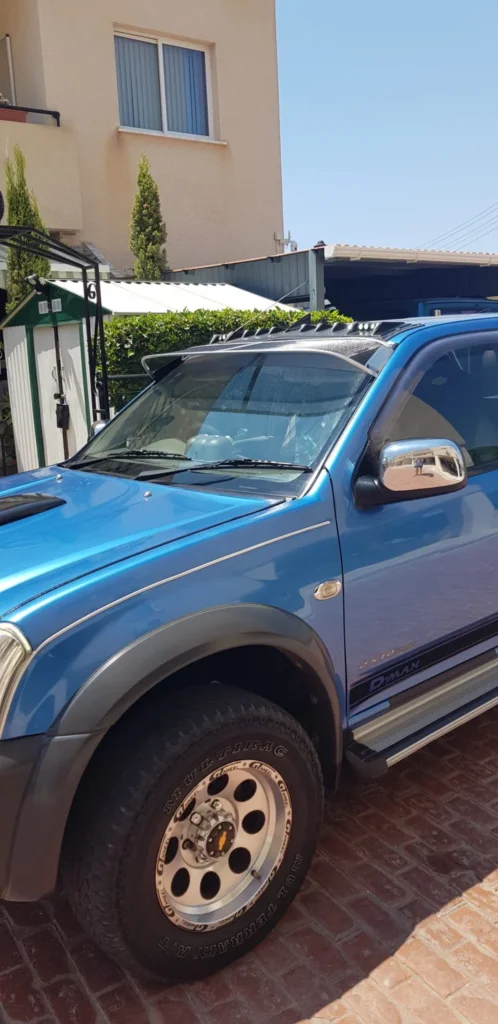
Mounted above the windshield, the visor follows the upper profile of the cab and creates a traditional vintage-truck appearance. It can complement original restorations, period-inspired builds and custom F-100 projects.
For owners who want an authentic-looking exterior without changing the fundamental body lines of the truck, an external sun visor is a practical styling upgrade.
The 1953 F-100 is particularly well suited to this style of accessory because of its distinctive cab design and broad windshield area.
1953 Ford F-100 Windscreen Sun Visor Features
A quality exterior visor should be selected with both appearance and installation in mind.
Key considerations include:
- Vehicle-specific design
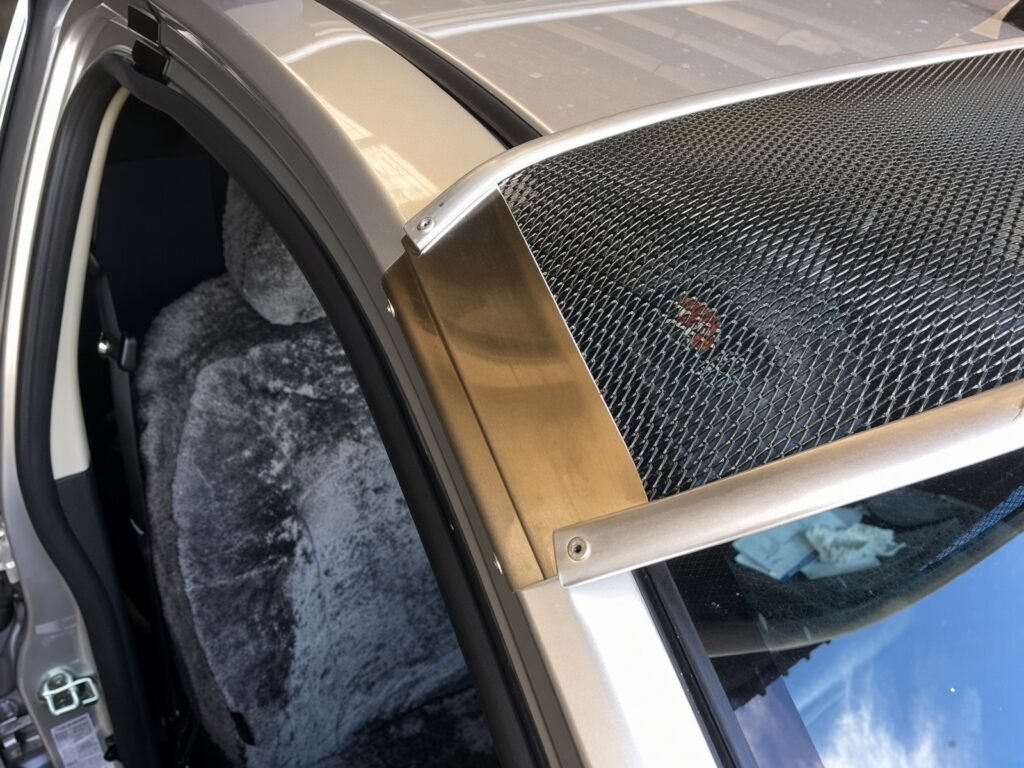
- Exterior windshield mounting
- Strong mounting brackets
- Durable visor construction
- Proper coverage across the upper windshield
- Classic period-correct appearance
- Suitable clearance from the cab and windshield
- Secure mounting for regular road use
- Compatibility with restoration and custom builds
- Finish suitable for painting where required
Reproduction exterior visor listings are available specifically for 1953–1955 Ford F-100 applications, while replacement sunvisor brackets are also available for 1953–1955 F-100, F-250 and F-350 trucks.
Why Install an Exterior Sun Visor?
Reduce Direct Sunlight
An exterior visor creates shade across the upper portion of the windshield, helping reduce direct sunlight entering the cab.
This can be particularly useful when driving toward low-angle sunlight or when the truck is regularly used in bright conditions.
Reduce Glare
Strong sunlight can create uncomfortable glare through the windshield.
A properly positioned visor can help block some of the sunlight approaching from above while maintaining a clear forward view.
Improve the Classic Appearance
For many F-100 owners, appearance is just as important as function.
A traditional external visor gives the truck a period-inspired appearance that works particularly well with:
- Original restorations
- Patina builds
- Traditional hot rods
- Custom pickups
- Show trucks
- Street rods
- Restomod projects
Complete the Cab Design
The upper windshield area can otherwise look visually plain on a classic pickup.
A well-proportioned visor follows the roofline and creates a stronger visual transition between the roof, windshield and cab.
1953 Ford F-100 Fitment
This product is intended for the 1953 Ford F-100.
Before ordering, confirm your truck’s exact body style and visor mounting requirements. Classic Ford trucks can have differences between configurations, previous restoration work and modified cabs.
For trucks that have already been fitted with a visor, existing mounting holes may be available. Trucks that have never had an exterior visor may require drilling and additional preparation.
Some reproduction parts are also listed across the 1953–1955 Ford F-Series range, so always verify the exact application before purchasing.
Installing an Exterior Visor
Allow yourself an afternoon for installation rather than rushing the job.
A careful installation is particularly important on a classic truck because drilling and mounting around the drip rail can affect the cab’s paint and corrosion protection.
1. Check for Factory Holes
Start by inspecting the area above the windshield and along the drip rail.
Some trucks that previously had a factory or aftermarket visor may already have mounting holes. Trucks that have never carried a visor may require new holes.
Do not assume the holes are correctly positioned simply because they are already present. Measure and test-fit everything first.
2. Dry-Fit Before Painting
If the visor requires painting, dry-fit it before applying the final finish.
Install the visor and brackets temporarily and check:
- Clearance at both windshield corners
- Alignment with the roofline
- Bracket position
- Distance from the windshield
- Symmetry from left to right
- Overall appearance from the front
- Clearance around the drip rail
Adjusting the brackets before painting is considerably easier than correcting an alignment problem after the visor has been finished.
3. Paint and Allow the Finish to Cure
If you’re painting the visor to match your F-100, allow the coating to cure completely before installation.
A rushed installation can result in scratches, fingerprints, damaged edges or marks around the mounting points.
Classic truck restorations often involve carefully finished paintwork, so protect the surrounding roof and cab while installing the visor.
4. Seal Every New Hole
If drilling is required, corrosion protection is extremely important.
Any new hole through the cab or drip-rail area should be properly protected and sealed.
A suitable seam sealer or butyl-backed fastening solution can help prevent water from entering the structure. Avoid relying on ordinary silicone as a substitute for proper automotive sealing.
Once the holes have been drilled, clean and protect the exposed metal before final installation.
5. Install the Brackets Carefully
Position the brackets according to the visor’s installation instructions.
Do not fully tighten one side before positioning the opposite side.
Instead, work progressively from side to side so the visor remains correctly aligned.
6. Tighten the Hardware Evenly
Snug the mounting hardware progressively, alternating between mounting points.
This helps prevent the visor shell or brackets from being pulled out of alignment.
Do not overtighten fasteners against the sheet metal. The objective is a secure installation without distorting the visor, brackets or cab.
7. Final Alignment Check
After installation, stand several metres in front of the truck and check the visor visually.
Look for:
- Even spacing
- Correct roofline alignment
- Symmetrical brackets
- Adequate windshield clearance
- Secure mounting
- No contact with the cab
- No interference with doors or other components
A small amount of adjustment at this stage can make a major difference to the finished appearance.
Restoration vs Custom Installation
A 1953 F-100 may be completely original, partially restored or heavily modified.
That makes installation requirements different from truck to truck.
If you’re restoring an original-style F-100, you may want the visor positioned to complement the factory body lines.
For a custom truck, the visor can become part of the overall exterior design.
Either way, dry fitting before paint is one of the most important steps.
A visor that is technically mounted but sits unevenly can make an otherwise excellent restoration look unfinished.
Exterior Visor vs Interior Sunshade
It is important to distinguish an exterior windshield visor from an interior windshield sunshade.
An exterior sun visor is permanently mounted above the windshield and is primarily an exterior accessory.
An interior sunshade is placed inside the windshield when the truck is parked.
They serve different purposes.
The exterior visor is useful for styling, shading and glare management while driving, whereas an interior reflective shade is generally used when the vehicle is parked.
For a classic F-100, the exterior visor also provides a significant visual advantage because it becomes part of the truck’s overall exterior design.
A Popular Accessory for Classic F-100 Builds
The 1953 F-100 has become an iconic classic pickup platform, and exterior accessories remain an important part of many restoration and custom builds.
A matching visor can work particularly well with:
- Classic steel wheels
- Vintage-style mirrors
- Period-style grilles
- Traditional paint schemes
- Lowered suspension
- Original-style interiors
- Custom interiors
- Restomod builds
- Traditional hot-rod styling
The result is a truck that retains its classic identity while gaining a distinctive finishing detail.
Buy 1953 Ford F-100 Windscreen Sun Visors
If you’re looking for a 1953 Ford F-100 windscreen sun visor, confirm the exact truck application before ordering.
Check the model year, cab configuration, existing mounting holes and the type of brackets supplied with the visor.
A correctly fitted exterior visor should sit evenly above the windshield, follow the cab’s roofline and provide secure mounting without interfering with the windshield or surrounding bodywork.
For restoration projects, take your time with measuring, dry fitting, drilling, sealing and final alignment. The installation quality can be just as important as the visor itself.
1953 Ford F-100 Sun Visor Keywords
1953 Ford F-100 windscreen sun visor, 1953 Ford F-100 sunvisor, buy 1953 Ford F-100 sunvisor, 1953 Ford F-100 sunvisor for sale, Ford F-100 exterior sunvisor, 1953 F-100 exterior visor, 1953 F-100 windscreen visor, Ford F-100 windshield visor, buy Ford F-100 sunvisor, 1953 F-100 sunvisor for sale, Ford F-100 roof visor, classic Ford F-100 sunvisor, vintage F-100 sunvisor, aftermarket F-100 sunvisor, reproduction F-100 sunvisor
Important Installation Note
Installation requirements can vary depending on the visor design, supplied brackets and condition of the truck.
If your F-100 has been modified, repainted or previously fitted with another visor, verify mounting positions before drilling.
Always follow the manufacturer’s supplied installation instructions and use appropriate corrosion protection around any newly drilled holes.
1953 ford f100 sun visor for sale
Buy 1953 Ford F-100 Windscreen Sun Visors
buy 1953 Ford F-100 windscreen sunvisor, 1953 Ford F-100 sunvisor for sale, 1953 Ford F-100 exterior sunvisor, Ford F-100 windscreen sunvisor, 1953 F-100 sunvisor, buy Ford F-100 sunvisor, 1953 F-100 windscreen visor for sale, Ford F-100 exterior windshield visor, classic F-100 sunvisor for sale, vintage 1953 Ford F-100 sunvisor

Reviews
There are no reviews yet.