
External Sunvisor vs Interior Sunshade: What’s the Actual Difference?
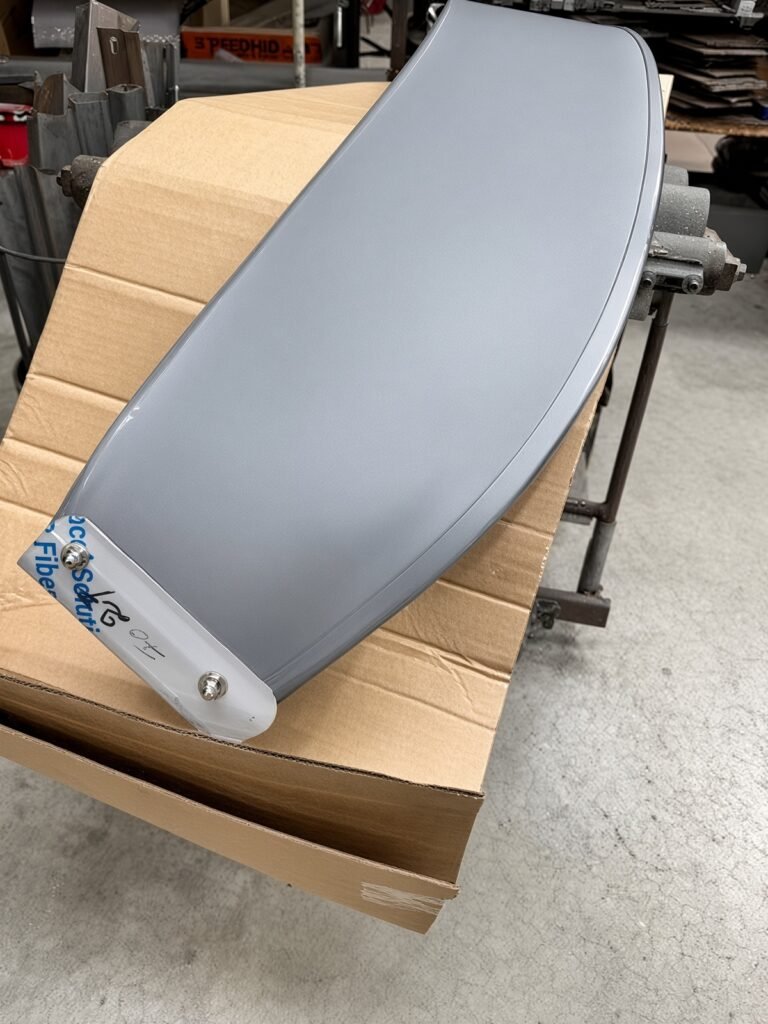
If you are trying to reduce sunlight, glare and heat in your vehicle, you have probably come across two very different solutions: an external sunvisor and an interior sunshade.
At first glance, they may appear to do the same job. After all, both are designed to deal with sunlight coming through your vehicle’s windscreen.
But there is an important difference.
An external sunvisor is mounted outside the vehicle, above the windscreen, and is primarily designed to shade the upper portion of the windscreen while the vehicle is being driven. An interior sunshade is placed inside the vehicle, usually against the windscreen when the vehicle is parked, to reduce sunlight entering the cabin.
So, which one is better?
The answer depends on what you are trying to achieve. In many cases, these two accessories are not really competitors at all. They can serve completely different purposes.
In this guide, we compare an external sunvisor vs interior sunshade, including their differences in function, heat reduction, glare protection, convenience, appearance and everyday use.
What Is an External Sunvisor?
An external sunvisor, also called a windscreen sunvisor or external windscreen visor, is an accessory mounted above the front windscreen.
Unlike the standard sunvisors found inside the cabin, an external sunvisor is positioned outside the vehicle. Its main purpose is to provide additional shade across the upper section of the windscreen.
External sunvisors are particularly common on utes, trucks, four-wheel drives, classic vehicles and work vehicles.
They can also be an important part of a vehicle’s styling.
For example, a correctly matched external sunvisor can complement a ute’s roofline and other exterior accessories while giving the vehicle a more distinctive appearance.
At Visor Investments, our range includes vehicle-specific windscreen sunvisors designed for different makes and models.
What Is an Interior Sunshade?
An interior sunshade is a removable accessory placed inside the vehicle, normally against the windscreen.
You may also hear them called:
- Car sunshades
- Windscreen shades
- Windshield sunshades
- Foldable sunshades
- Reflective sunshades
- Dashboard sunshades
Unlike an external sunvisor, an interior sunshade is generally intended for use when the vehicle is parked.
Its purpose is to reduce the amount of sunlight entering the cabin and help protect the dashboard, steering wheel and interior surfaces from prolonged exposure to direct sunlight.
Many interior sunshades are foldable or collapsible, making them easy to store when they are not being used.
External Sunvisor vs Interior Sunshade: The Main Difference
The easiest way to understand the difference is to look at where and when they are used.
| Feature | External Sunvisor | Interior Sunshade |
|---|---|---|
| Location | Outside vehicle | Inside vehicle |
| Main use | While driving | Mostly while parked |
| Position | Above windscreen | Against windscreen |
| Reduces driving glare | Yes | Not normally practical while driving |
| Helps shade cabin | Yes | Yes |
| Easy to remove | Usually remains fitted | Yes |
| Vehicle styling | Yes | No |
| Heat protection while parked | Limited | Strong |
| Permanent accessory | Usually | No |
| Best use | Driving comfort and styling | Parked-vehicle heat and sun protection |
This distinction is important.
An external sunvisor is generally a driving accessory, while an interior sunshade is primarily a parking accessory.
How Does an External Sunvisor Help While Driving?
One of the biggest advantages of an external sunvisor is that it can provide shade without requiring the driver to install or remove anything every time they drive.
When the sun is low or positioned above the windscreen, direct sunlight can create uncomfortable glare.
An external windscreen sunvisor extends over the upper portion of the windscreen and can help reduce the amount of direct sunlight reaching that area.
This can be particularly useful during:
- Early morning driving
- Late afternoon driving
- Long-distance driving
- Bright sunny conditions
- Rural driving
- Worksite travel
- Driving in open areas with little natural shade
The exact benefit depends on the design of the visor, the vehicle’s windscreen angle and the position of the sun.
The important point is that the visor remains installed and available whenever you drive.
How Does an Interior Sunshade Help?
An interior sunshade works differently.
When your vehicle is parked in direct sunlight, the windscreen can allow a significant amount of solar energy into the cabin. This can contribute to a hot dashboard and uncomfortable interior temperatures.
An interior sunshade is placed against the inside of the windscreen to create a barrier between the sunlight and the cabin.
A reflective sunshade can also reflect a portion of incoming solar radiation away from the vehicle.
This makes interior sunshades particularly useful when parking outdoors.
For example, you might use an interior sunshade when:
- Parking at work
- Leaving your vehicle at a shopping centre
- Parking outside your home
- Leaving the vehicle in a car park
- Travelling during hot weather
- Protecting the dashboard from prolonged sunlight
The sunshade can then be folded and stored when you return to the vehicle.
Which Is Better for Reducing Driving Glare?
If your main concern is glare while driving, an external sunvisor is generally the more appropriate accessory.
An interior sunshade is not designed to remain against the windscreen while the vehicle is being driven.
Instead, its primary purpose is to cover the windscreen while the vehicle is parked.
An external visor provides shade from outside the windscreen and remains in position while the vehicle is being driven.
However, drivers should always make sure an external sunvisor is correctly fitted and does not create an unacceptable obstruction to visibility.
Local vehicle regulations should also be checked before installation.
For example, Australian road authorities have specific requirements relating to windscreen visibility and vehicle glazing. The rules can vary between jurisdictions, so vehicle owners should check the regulations that apply to their particular location.
Which Is Better for a Parked Vehicle?
For a parked vehicle, an interior sunshade is generally the more practical choice.
It can cover a larger portion of the windscreen and is specifically designed to prevent sunlight from entering the cabin while the vehicle is stationary.
An external sunvisor may provide some shade, but its primary function is not to completely cover the windscreen.
This is why many vehicle owners use an interior sunshade when parking in direct sunlight, even if the vehicle already has an external visor.
The two accessories can therefore complement each other.
Can an External Sunvisor Reduce Cabin Heat?
An external sunvisor can help shade part of the windscreen, which may reduce some direct sunlight entering the upper section of the cabin.
However, it should not be viewed as a replacement for a dedicated interior sunshade when the vehicle is parked for long periods in direct sunlight.
Heat enters through multiple areas of a vehicle, including the windscreen, side windows, rear glass, roof and body panels.
An interior sunshade positioned directly against the windscreen can provide more extensive coverage of the glass area.
For maximum parked-vehicle protection, drivers can combine a windscreen sunshade with other sensible measures such as parking in the shade whenever possible.
External Sunvisor vs Interior Sunshade for Vehicle Appearance
This is another major difference between the two accessories.
An external sunvisor can significantly affect the appearance of a vehicle.
Because it sits above the windscreen, it becomes part of the vehicle’s exterior design.
This is one reason external sunvisors remain popular among ute, truck and classic vehicle owners.
A mesh windscreen sunvisor, for example, can create a traditional appearance, while a solid visor can provide a stronger and more substantial look.
Interior sunshades are different.
Once installed, they are largely hidden from the outside or only temporarily visible through the windscreen. They are primarily functional rather than styling accessories.
If your goal is to change or enhance the exterior appearance of your vehicle, an external sunvisor is clearly the more relevant option.
External Sunvisor vs Interior Sunshade for Convenience
Convenience depends on how you use your vehicle.
An external sunvisor is permanently or semi-permanently installed. Once fitted, you do not have to remember to put it up every time you drive.
That makes it convenient for people who regularly experience strong sunlight.
An interior sunshade requires more interaction.
You need to:
- Take it out of the vehicle.
- Position it against the windscreen.
- Secure it if necessary.
- Remove it before driving.
- Fold or roll it.
- Store it somewhere in the vehicle.
This is not particularly difficult, but it is another step in your routine.
For drivers who want a permanent sunlight-management accessory, an external sunvisor has an obvious advantage.
For drivers who mainly want to protect the vehicle while it is parked, the removable interior sunshade makes more sense.
Which One Is Better for a Work Vehicle?
Work vehicles often benefit from an external windscreen sunvisor because the accessory is always available.
Utes, four-wheel drives and trucks can spend long hours on the road, making sunlight and glare a regular consideration.
An external sunvisor can also complement the practical appearance of a work vehicle.
For example, owners of older Ford Courier models can choose from vehicle-specific options such as the Ford Courier Windscreen Sunvisor.
For the 1999–2006 model range, Visor Investments also offers a Ford Courier 1999–2006 Mesh Windscreen Sunvisor.
These vehicle-specific options are important because the windscreen shape, dimensions and mounting requirements can vary between models.
Which One Should You Buy?
The answer depends on your primary goal.
Choose an external sunvisor if you want:
- Additional shade while driving
- Reduced direct sunlight from the upper windscreen area
- A permanent vehicle accessory
- A stronger exterior appearance
- A classic ute or truck look
- A vehicle-specific accessory
Choose an interior sunshade if you want:
- Protection while the vehicle is parked
- Reduced direct sunlight entering the cabin
- Additional dashboard protection
- A removable accessory
- Easy storage when not required
- A relatively inexpensive parking accessory
Consider using both
For some drivers, the best solution is both.
An external sunvisor can provide additional shade while driving, while an interior sunshade can be used when the vehicle is parked in direct sunlight.
They are not necessarily alternatives.
They can serve two different stages of vehicle use.
What About Visibility and Safety?
Visibility should always be the priority when installing any accessory around the windscreen.
An external sunvisor should be correctly designed for the vehicle and securely mounted.
It should not interfere with the driver’s view or create an unsafe obstruction.
The same principle applies to interior accessories. An interior sunshade should be removed before driving.
Drivers should also check local regulations before installing an external windscreen accessory.
Vehicle requirements can vary depending on the country, state or territory.
If you are unsure about the requirements that apply to your vehicle, consult the relevant road and transport authority before installation.
Does an External Sunvisor Replace the Factory Sunvisors?
No.
Your vehicle’s factory interior sunvisors and an external sunvisor serve different purposes.
The factory sunvisors are designed to help shield the driver’s and passenger’s eyes from sunlight entering the cabin.
An external windscreen sunvisor provides additional shading from outside the vehicle.
They can therefore work together rather than being replacements for one another.
Are External Sunvisors Only for Older Vehicles?
No.
Although external sunvisors are strongly associated with classic utes, older trucks and traditional work vehicles, they can also be used as styling and functional accessories on newer vehicles where a compatible product is available.
The key consideration is compatibility.
You should always check the exact make, model and year before purchasing a vehicle-specific sunvisor.
At Visor Investments, you can browse the available vehicle sunvisor range and check the products available for different vehicle applications.
Frequently Asked Questions
What is the difference between an external sunvisor and an interior sunshade?
An external sunvisor is mounted outside the vehicle above the windscreen and is designed to provide shade while driving. An interior sunshade sits inside the windscreen and is mainly used when the vehicle is parked.
Can I use an interior sunshade while driving?
No. Interior windscreen sunshades are designed to cover the windscreen while the vehicle is parked and should be removed before driving.
Does an external sunvisor reduce glare?
An external sunvisor can help reduce direct sunlight and glare entering through the upper portion of the windscreen. Its effectiveness depends on the visor design, vehicle and position of the sun.
Does an external sunvisor keep a car cooler?
It can provide some additional shade, but it should not be considered a replacement for an interior windscreen sunshade when the vehicle is parked in direct sunlight.
Are external sunvisors worth it?
For drivers who regularly deal with bright sunlight, want additional shade while driving or like the appearance of an external visor, they can be a worthwhile vehicle accessory.
Can I have an external sunvisor and an interior sunshade?
Yes. They perform different functions and can be used together. The external visor can remain fitted while driving, while the interior sunshade can be installed when the vehicle is parked.
Final Verdict: External Sunvisor or Interior Sunshade?
The biggest mistake is thinking that an external sunvisor and an interior sunshade are the same type of accessory.
They are not.
An external sunvisor is primarily designed to provide additional shade while driving and can also add a distinctive appearance to the vehicle.
An interior sunshade is primarily designed to protect the cabin from direct sunlight when the vehicle is parked.
If you want a permanent accessory that provides additional shading while driving, an external windscreen sunvisor is the more appropriate choice.
If your priority is protecting the dashboard and reducing sunlight entering the cabin while parked, an interior sunshade is the better solution.
And if you want both benefits, there is no reason you cannot use both.
For vehicle owners looking for a purpose-built external visor, explore the Visor Investments sunvisor collection or browse the options available for your specific vehicle.
The right sunvisor is not simply about appearance. It is about choosing the right type of shade for the way you actually use your vehicle.
Leave a Reply