
Best External Sunvisor for Toyota LandCruisers
Table of Contents
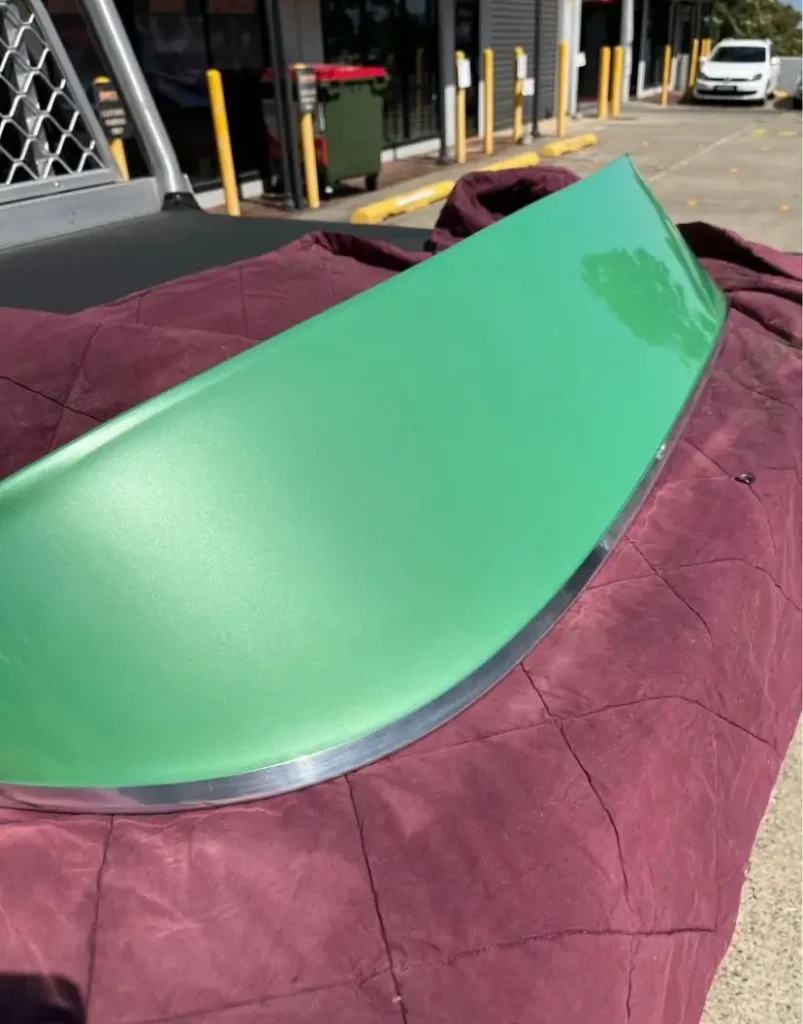
Best External Sunvisor for Toyota LandCruisers: Complete Buying Guide
If you’re searching for the best external sunvisor for Toyota LandCruisers, the most important thing to know is that there is no single sunvisor that fits every LandCruiser.
Toyota has produced the LandCruiser in numerous generations, body styles and configurations since the original vehicle was introduced in 1951. The range includes the classic 40 Series, 60 Series, long-running 70 Series, 80 Series, 100 Series, 200 Series and newer generations.
That makes correct vehicle fitment the first thing to consider when choosing an external windscreen sunvisor.
Once you’ve confirmed the correct LandCruiser series and body configuration, you can compare the construction, mounting system, styling and features that best suit your vehicle.
Whether you own a LandCruiser 70, 79 Series, 80, 100 or 200, this guide will help you choose the right Toyota LandCruiser sunvisor for your vehicle.
What Is an External LandCruiser Sunvisor?
An external windscreen sunvisor is mounted outside the vehicle, normally above the windscreen.
It is different from an interior windscreen sunshade, which sits inside the cabin behind the glass.
External sunvisors are available in several styles, including:
- Solid metal sunvisors
- Mesh sunvisors
- Vehicle-specific sunvisors
- Traditional truck-style visors
- 4WD touring sunvisors
- Custom and universal designs
For a LandCruiser, a vehicle-specific visor is generally the best place to start because the dimensions and mounting points vary significantly between generations.
The right visor should sit correctly above the windscreen, use suitable mounting hardware and provide appropriate clearance from the windscreen, roof, A-pillars and other accessories.
Why There Isn’t One Universal LandCruiser Sunvisor
The term “Toyota LandCruiser” covers a huge range of vehicles.
Toyota’s official LandCruiser history lists the 40 Series from 1960, the 60 Series from 1980, the 70 Series from 1984, the 80 Series from 1989, the 100 Series from 1998 and the 200 Series from 2007.
The 70 Series alone has evolved substantially throughout its long production history.
Toyota describes the 70 Series as a heavy-duty model introduced in 1984, with multiple wheelbases and body variations. Later updates also changed the front-end design and introduced additional body configurations, including the double-cab pickup.
Therefore, a visor advertised for a “LandCruiser 70 Series” still needs to be checked against the exact vehicle.
Fitment should always come before appearance.
Best External Sunvisor for Toyota LandCruiser 70 Series
The LandCruiser 70 Series is one of the most popular applications for external sunvisors.
Toyota introduced the 70 Series in 1984 as the successor to the 40 Series, retaining the rugged character of the LandCruiser while offering updated styling and improved usability.
The 70 Series has remained in production in various forms for decades. Toyota notes that while production ended in Japan in 2004, overseas demand for the model’s durability and reliability kept the 70 Series in production.
That long production history is exactly why buyers need to pay attention to fitment.
Depending on the vehicle, you may have a:
- Single Cab
- Double Cab
- Troop Carrier
- Wagon
- Pickup
- Different model-year front end
- Modified touring configuration
A LandCruiser 70 Series sunvisor should therefore be selected according to the specific body and mounting configuration.
Why a 70 Series suits an external sunvisor
The rugged styling of the 70 Series pairs naturally with an external visor.
A correctly fitted visor can complement:
- Work builds
- Mining vehicles
- Agricultural vehicles
- Touring rigs
- Overland vehicles
- Off-road builds
- Classic 70 Series restorations
For a vehicle used heavily off-road, however, mounting strength and clearance should be considered just as carefully as appearance.
Best External Sunvisor for Toyota LandCruiser 79 Series
The 79 Series sunvisor is one of the most relevant applications for a vehicle-specific external visor.
The 79 Series is part of Toyota’s heavy-duty LandCruiser family, which continues to be particularly important in markets where durability and off-road capability are priorities. Toyota identifies Africa, the Middle East and the Pacific among the principal markets for the heavy-duty LandCruiser.
If you own a 79 Series, don’t simply search for a generic “LandCruiser sunvisor.”
Instead, confirm:
- 79 Series compatibility
- Cab configuration
- Model year
- Bracket design
- Windscreen dimensions
- Snorkel clearance
- Antenna position
- Roof rack clearance
For a more detailed vehicle-specific guide, see:
Toyota LandCruiser 79 Series Ute Sunvisor: Fitment & Buying Guide
Best External Sunvisor for Toyota LandCruiser 80 Series
The 80 Series was introduced in 1989 and represented a major development of the LandCruiser station-wagon platform.
Toyota describes the 80 Series as combining strong off-road capability with improved equipment and ride quality.
An 80 Series external sunvisor can complement the vehicle’s distinctive squared-off body shape.
Because many 80 Series vehicles are now older touring or restoration vehicles, check the condition of the mounting area before installation.
Look for:
- Rust
- Previous repairs
- Old visor mounting holes
- Body filler
- Repainted sections
- Roof modifications
- Roof-rack mounting points
A visor may have been designed correctly for an original 80 Series but still require additional consideration if the particular vehicle has been heavily modified.
Best External Sunvisor for Toyota LandCruiser 100 Series
The 100 Series followed the 80 Series and introduced a more modern interpretation of the LandCruiser station wagon.
Toyota identifies the 100 Series as beginning in 1998 and describes it as the successor to the 80 Series.
For a 100 Series, the most important consideration is finding a visor specifically designed for the 100 Series windscreen and mounting arrangement.
Don’t assume that an 80 Series visor can be adapted simply because both vehicles are LandCruisers.
Check the exact application before ordering.
Best External Sunvisor for Toyota LandCruiser 200 Series
The 200 Series continued Toyota’s large station-wagon LandCruiser platform and was introduced in the 2000s.
Toyota’s global vehicle history identifies the 200 Series as a separate generation from the 100 Series.
A 200 Series external sunvisor should therefore be treated as its own fitment.
Modern touring vehicles can also have considerably more equipment around the roof and windscreen area, including:
- Roof racks
- Light bars
- Antennas
- Snorkels
- Awning brackets
- Communication equipment
Always check the entire front roof area before installation.
Solid vs Mesh LandCruiser Sunvisor
Once you’ve established vehicle fitment, the next major decision is choosing between a solid or mesh sunvisor.
There is no universal winner.
Your choice should depend on the vehicle, the style you prefer and how the LandCruiser is used.
Solid LandCruiser Sunvisor
A solid sunvisor gives a stronger, more traditional appearance.
It can be particularly suitable for:
- Work vehicles
- Classic LandCruisers
- Heavy-duty 4WDs
- Traditional touring builds
- Owners who prefer a substantial appearance
The solid construction creates a bold visual line above the windscreen.
For an older LandCruiser, this can also complement the vehicle’s original styling.
Mesh LandCruiser Sunvisor
A mesh sunvisor has a more open appearance.
It can suit owners who want a less visually solid accessory while maintaining the characteristic external visor look.
Mesh can work particularly well with:
- Modern touring builds
- Modified 4WDs
- Adventure vehicles
- Owners who prefer a lighter appearance
The important point is that the mounting system and exact fitment still matter more than whether the visor is solid or mesh.
For a detailed comparison, see:
Solid vs Mesh Windscreen Sunvisors: Which Is Right for Your Vehicle?
What Makes the Best LandCruiser Sunvisor?
When comparing different external sunvisors, look beyond the product photograph.
The best option should satisfy several criteria.
1. Exact vehicle fitment
This should be your first consideration.
Confirm the visor is designed for your exact LandCruiser series and configuration.
2. Strong mounting system
A well-designed visor needs appropriate brackets and hardware.
The mounting system is especially important on vehicles that regularly travel on rough roads.
3. Correct windscreen clearance
The visor should sit correctly above the windscreen without creating inappropriate contact with the glass.
4. Accessory clearance
Check compatibility with:
- Snorkels
- Antennas
- Roof racks
- Light bars
- Aerials
- Other roof-mounted accessories
5. Suitable construction
Choose solid or mesh according to your requirements and preferred appearance.
6. Good finish
A quality finish can make a major difference to the appearance of a LandCruiser, particularly on restored or highly visible vehicles.
7. Appropriate proportions
The visor should look balanced with the vehicle.
A visor that is too narrow, too wide or poorly positioned can make the vehicle look awkward even if it technically fits.
Choosing a LandCruiser Sunvisor for Touring
LandCruisers are popular touring vehicles for good reason.
Toyota has positioned the LandCruiser around reliability, durability and off-road capability throughout its history.
A touring LandCruiser, however, is rarely standard.
It may have:
- Roof racks
- Awning
- Snorkel
- UHF antenna
- GPS equipment
- Driving lights
- Canopy
- Rooftop accessories
- Recovery equipment
This means the best touring sunvisor is one that integrates with the rest of the vehicle.
Check the snorkel
A snorkel positioned near the windscreen pillar can affect bracket placement.
Before ordering, determine where the sunvisor brackets will sit relative to the snorkel.
Check the roof rack
The front section of a roof rack may sit close to the top of the windscreen.
Make sure there is sufficient clearance.
Check the antenna
An antenna positioned near the roofline can also interfere with the visor or its brackets.
Consider off-road vibration
If your LandCruiser regularly travels over corrugated roads or rough tracks, secure mounting becomes particularly important.
A good-looking visor with poor mounting isn’t a good touring accessory.
Best LandCruiser Sunvisor for Work Vehicles
The best visor for a work-oriented LandCruiser may be different from the best choice for a show or restoration vehicle.
For work use, prioritise:
- Secure mounting
- Durability
- Correct fitment
- Easy maintenance
- Appropriate clearance
- Resistance to vibration
- Practical appearance
A solid visor may suit a traditional commercial look, while a mesh design can provide a different visual style.
Either way, the mounting system should be the priority.
Best Sunvisor for a Classic LandCruiser
If you’re restoring a 40, 60 or early 70 Series, appearance becomes more important.
Toyota’s LandCruiser history highlights the 40 Series as a particularly long-running generation, produced from 1960 to 1986, while the 60 Series followed in 1980.
A modern-looking accessory can sometimes look out of place on a classic vehicle.
Consider:
- Visor profile
- Width
- Finish
- Bracket appearance
- Construction
- Overall shape
- Relationship to the vehicle’s original styling
For a restoration, the goal should be to complement the LandCruiser rather than overwhelm its original design.
How to Check LandCruiser Sunvisor Fitment
Before ordering, collect the following information:
Vehicle information
- Series
- Model year
- Body style
- Cab configuration
- Chassis/model code where available
Modification information
- Snorkel
- Roof rack
- Antenna
- Light bar
- Custom brackets
- Previous visor installation
Mounting information
- Existing mounting points
- Available roof space
- Windscreen dimensions
- Bracket location
If you’re unsure, photographs of the vehicle can also help a supplier determine whether the product is appropriate.
Can You Install a LandCruiser External Sunvisor Yourself?
Many vehicle-specific sunvisors can be installed by a competent DIY installer.
However, the exact process varies between products.
A typical installation involves:
- Cleaning the mounting area
- Checking the supplied hardware
- Test-fitting the brackets
- Positioning the visor
- Checking alignment
- Checking windscreen clearance
- Checking accessory clearance
- Tightening the mounting hardware
- Checking the driver’s view
- Performing a final inspection
If drilling is required, take extra care.
Older LandCruisers may have rust, previous repairs or modified bodywork around the roof and windscreen.
For a complete installation guide, see:
How to Install an External Windscreen Sunvisor (Step-by-Step)
Does an External Sunvisor Reduce Glare?
An external sunvisor can help shade part of the upper windscreen and reduce direct sunlight entering through that area under suitable conditions.
However, it should not be treated as a complete glare solution.
Glare can come from different directions and conditions, and an external visor cannot eliminate every source.
The visor should therefore be considered a complementary vehicle accessory rather than a replacement for safe driving practices.
How Long Should a LandCruiser Sunvisor Last?
The lifespan of an external sunvisor depends on several factors.
These include:
- Material
- Manufacturing quality
- Mounting quality
- Weather exposure
- Road conditions
- Off-road use
- Corrosion
- Maintenance
- Vehicle vibration
A LandCruiser used extensively on rough roads may place more stress on mounting hardware than one primarily driven on sealed roads.
Inspect your visor periodically for:
- Loose fasteners
- Bracket movement
- Corrosion
- Cracks
- Paint deterioration
- Excessive vibration
- Changes in alignment
For more information, read:
How Long Do External Windscreen Sunvisors Actually Last?
Common Mistakes When Buying a Toyota LandCruiser Sunvisor
Buying based only on “LandCruiser”
The name covers many different generations.
Always identify the series.
Assuming every 70 Series is identical
The 70 Series has been produced and updated over several decades with different body styles and configurations.
Ignoring the model year
Even within a series, styling and mounting arrangements can change.
Forgetting accessories
A snorkel, roof rack or antenna can affect installation.
Choosing appearance before fitment
A visor should fit first and look good second.
Assuming universal means compatible
A universal product may require compromises in mounting, dimensions or appearance.
Ignoring the vehicle’s history
Older LandCruisers may have undergone repairs, restorations or modifications that change the original mounting area.
LandCruiser Sunvisor Buying Checklist
Before ordering, ask:
- What exact LandCruiser series do I have?
- What year is it?
- What body configuration is it?
- Is the visor specifically designed for this application?
- Are the supplied brackets correct?
- Will it clear my snorkel?
- Will it clear my antenna?
- Will it clear my roof rack?
- Is the visor solid or mesh?
- Does the style suit my vehicle?
- Is the mounting area free from serious rust or damage?
- Can I install it with the supplied hardware?
- Does it maintain an appropriate driver’s view?
If you can answer all of these questions confidently, you’re much more likely to end up with the right visor.
Frequently Asked Questions
What is the best external sunvisor for a Toyota LandCruiser?
The best external sunvisor is one designed specifically for your LandCruiser series and body configuration. Fitment, mounting quality, clearance and construction should be considered before appearance or price.
Will one sunvisor fit all Toyota LandCruisers?
No. Toyota has produced numerous LandCruiser generations with significantly different body designs and dimensions. The 40, 60, 70, 80, 100 and 200 Series are separate applications.
What is the best sunvisor for a LandCruiser 70 Series?
Choose a visor specifically matched to your 70 Series body configuration and model year. Pay particular attention to the differences between Single Cab, Double Cab, Troop Carrier and other configurations.
What is the best sunvisor for a LandCruiser 79 Series?
A 79 Series-specific external sunvisor is generally the best starting point. Confirm compatibility with your cab, model year, snorkel, antenna and other accessories before ordering.
Should I choose a solid or mesh LandCruiser sunvisor?
Both can be good choices. Solid visors provide a more substantial, traditional appearance, while mesh visors provide a more open appearance. Fitment and mounting quality should come first.
Can I install a LandCruiser sunvisor myself?
Many vehicle-specific visors can be installed by a competent DIY installer. If the installation requires significant drilling, structural modifications or work around damaged bodywork, professional installation may be preferable.
Will an external sunvisor fit a modified LandCruiser?
Possibly, but modifications need to be checked individually. Snorkels, roof racks, antennas and previous body repairs can affect mounting and clearance.
Are external sunvisors suitable for touring LandCruisers?
Yes, provided the visor is correctly matched to the vehicle and doesn’t interfere with touring accessories. Check snorkel, roof-rack and antenna clearance before installation.
Final Verdict: What Is the Best External Sunvisor for Toyota LandCruisers?
The best external sunvisor for Toyota LandCruisers is not necessarily the most expensive or most aggressive-looking option.
The best choice is the one that fits your exact LandCruiser, mounts securely, clears your accessories and suits the way you use the vehicle.
For a 70 or 79 Series, pay particular attention to the exact body configuration because Toyota’s heavy-duty LandCruiser family has evolved through numerous configurations over its long production history.
For older 40, 60 and 80 Series vehicles, inspect the mounting area carefully for rust, repairs and previous modifications.
For 100 and 200 Series vehicles, focus on exact fitment and compatibility with modern touring accessories.
Then decide whether a solid or mesh design best suits your preferences.
At Visor Investments, you can explore the [external windscreen sunvisor range]external windscreen sunvisor range and select a product based on your vehicle’s exact application.
For the best result, don’t buy a visor simply because it says “Toyota LandCruiser.”
Identify your series. Confirm your fitment. Check your accessories. Then choose your style.
Leave a Reply