
How to Choose the Right Sunvisor for Your Exact Vehicle Model
Table of Contents
How to Choose the Right Sunvisor for Your Exact Vehicle Model
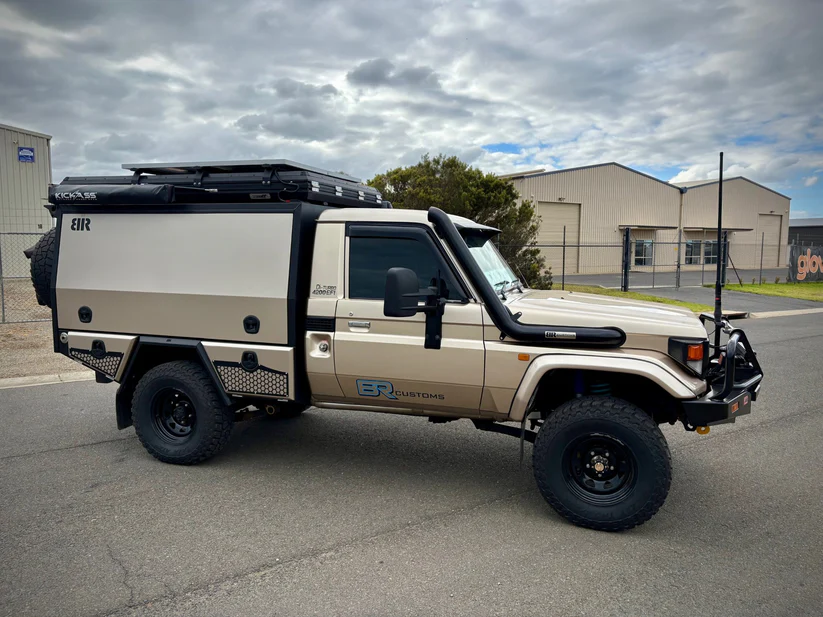
Buying an external windscreen sunvisor should be straightforward.
You find a visor that looks right, check that it fits your vehicle, place your order and install it.
Unfortunately, it is not always that simple.
Two vehicles can look almost identical while having different windscreen dimensions, roof profiles, mounting points or accessory configurations. Even vehicles from the same model range can change significantly between generations.
That is why choosing the right sunvisor for your exact vehicle model is so important.
A sunvisor that is designed specifically for one vehicle may not automatically fit another vehicle simply because the two models look similar. Vehicle-specific dimensions, mounting hardware and geometry can all affect compatibility.
At Visor Investments, our range focuses on vehicle-specific windscreen sunvisors for different applications.
In this guide, we explain exactly what to check before buying an external sunvisor, so you can avoid ordering the wrong product and make sure the visor suits your vehicle.
Why Exact Vehicle Fitment Matters
The most important factor when buying an external sunvisor is fitment.
Your vehicle’s windscreen and roofline are not necessarily the same as those of another model.
Differences can include:
- Windscreen width
- Windscreen height
- Windscreen angle
- Roof shape
- Roof height
- Mounting points
- A-pillar design
- Cab configuration
- Body style
- Year and generation
These differences determine how an external sunvisor sits above the windscreen.
A visor that is too wide may not align correctly with the vehicle. One that is too narrow may leave gaps or look out of proportion. Incorrect mounting can also create installation problems.
This is why vehicle-specific fitment should always come before appearance or price.
Step 1: Identify Your Exact Make
Start with the manufacturer.
For example:
- Ford
- Toyota
- Nissan
- Mitsubishi
- Isuzu
- Mazda
- Holden
- Jeep
Knowing that you have a Ford is not enough.
There may be multiple Ford vehicles with completely different windscreen shapes and mounting arrangements.
So the next step is identifying the exact model.
Step 2: Identify the Exact Model
Your vehicle model is one of the most important pieces of information when choosing a sunvisor.
For example, a Ford Courier is different from a Ford Ranger, even though both are pickup-style vehicles.
Likewise, different Toyota 4WD and ute models can have very different windscreen dimensions.
This is why you should never choose an external sunvisor based only on the vehicle brand.
Instead of searching for:
Ford sunvisor
you should search for something closer to:
Ford Courier windscreen sunvisor
or:
Ford Ranger external sunvisor
The more precise the vehicle information, the easier it is to identify the correct product.
For example, Visor Investments’ Ford Courier windscreen sunvisor is specifically associated with the Ford Courier rather than being marketed simply as a universal Ford accessory.
Step 3: Check the Vehicle Year
This is one of the most commonly overlooked details.
Vehicle manufacturers can change body designs, windscreens and mounting arrangements during a model’s production life.
As a result, two vehicles with the same model name may require different accessories.
For example:
Ford Courier 1999–2006
is much more specific than simply saying:
Ford Courier
This is why product listings should be checked carefully for year compatibility.
If you own a Ford Courier from this period, for example, you can compare the Ford Courier 1999–2006 Mesh Windscreen Sunvisor with the other available Courier options.
Step 4: Identify the Generation
The model year is useful, but the generation can be even more important.
Vehicle manufacturers frequently redesign models.
A new generation can introduce changes to:
- Windscreen shape
- Roofline
- Front pillars
- Cab structure
- Mounting points
- Vehicle dimensions
Even if the vehicle keeps the same model name, an accessory designed for an older generation may not fit the newer version.
When buying a vehicle-specific sunvisor, check whether the product description identifies the relevant generation or production period.
If it does, compare that information with your vehicle documentation.
Step 5: Check Your Body Style or Cab Configuration
This is particularly important for utes, trucks and 4WDs.
A vehicle may be available in multiple configurations, including:
- Single cab
- Extra cab
- Space cab
- Dual cab
- Crew cab
- Standard cab
- Extended cab
These configurations can have different roof and windscreen dimensions.
For that reason, knowing the vehicle model alone may not always be sufficient.
If the product listing specifies a cab configuration, make sure yours matches.
This is especially important for owners building touring vehicles or work utes, where the cab may already have additional equipment installed.
Step 6: Check the Windscreen Shape
The windscreen is the area the sunvisor needs to complement, so its shape matters.
Look at:
- Overall width
- Height
- Curvature
- Upper edge
- Relationship to the roof
- A-pillar position
A properly designed external visor should suit the windscreen and roof profile for which it was designed.
Don’t assume that a visor will fit simply because the dimensions appear close.
A few centimetres of difference can affect the mounting position and overall appearance.
Step 7: Check the Mounting System
Mounting is another critical part of sunvisor fitment.
Before ordering, find out how the visor is designed to attach to your vehicle.
Depending on the product and vehicle, installation may involve:
- Dedicated brackets
- Mounting plates
- Bolts
- Screws
- Existing mounting points
- Vehicle-specific hardware
The mounting system should be appropriate for the vehicle.
A product that requires significant modification to fit may not be the best choice if a vehicle-specific option is available.
You should also follow the manufacturer’s installation instructions carefully.
A correctly fitted accessory is not just about appearance. Secure mounting matters for the long-term use of any exterior accessory.
Step 8: Check for Existing Accessories
Modern 4WDs and touring vehicles often have plenty of equipment around the roof and windscreen area.
Before buying a sunvisor, look at what is already installed.
Potential clearance issues can involve:
- Snorkels
- Roof racks
- Light bars
- UHF antennas
- Aerials
- Awning brackets
- Canopies
- Roof-mounted equipment
- Cab accessories
For example, a snorkel may occupy space close to the A-pillar, while a roof rack can affect the available mounting area.
Do not assume that an otherwise compatible sunvisor will automatically clear every accessory.
If you have modified your vehicle, check compatibility before ordering.
Step 9: Decide Between Solid and Mesh
Once you know the visor fits your vehicle, you can choose the style.
The two most common choices are solid and mesh.
Solid sunvisor
A solid sunvisor uses a more continuous panel and provides stronger visual coverage.
It can be a good option if you want:
- Strong sunlight blocking
- A bold appearance
- A substantial exterior design
- A clean, solid look
Mesh sunvisor
A mesh sunvisor uses a perforated or open material.
It can provide:
- Filtered sunlight
- Airflow
- A lighter visual appearance
- Traditional styling
Neither style is automatically better.
The right option depends on how you use your vehicle and what appearance you prefer.
For a detailed comparison, read our guide: Solid vs Mesh Windscreen Sunvisors: Which Is Right for Your Vehicle?.
Step 10: Consider How You Use Your Vehicle
Your driving habits should influence your choice.
A daily commuter may want a visor mainly for appearance and occasional glare reduction.
A long-distance touring driver may be more interested in shade and comfort during extended periods behind the wheel.
A work ute may need something durable and practical.
A classic vehicle owner may care most about maintaining the vehicle’s original character.
A 4WD touring enthusiast may need to consider the visor alongside roof racks, snorkels, awnings and other accessories.
For touring applications, you can also read our guide to the Best External Sunvisors for 4WD Touring Rigs.
Step 11: Consider Your Local Regulations
Before installing an external windscreen accessory, check the vehicle regulations that apply in your location.
Visibility is particularly important.
For example, NHTSA notes that windscreen glazing used in areas necessary for driving visibility is subject to light-transmission requirements under U.S. federal standards.
This does not mean those U.S. rules automatically apply to your vehicle or location.
Rules differ between countries and jurisdictions.
The important lesson is to check the regulations applicable to your vehicle before installation and make sure the accessory does not create an unsafe obstruction.
If you are unsure, consult your local road or transport authority.
Step 12: Check the Product Description Carefully
Before clicking the buy button, read the entire product listing.
Look for:
- Compatible vehicle
- Model
- Production years
- Generation
- Body style
- Cab configuration
- Material
- Colour or finish
- Mounting hardware
- Installation requirements
- Special compatibility notes
Do not rely solely on the product title.
A title might say “Toyota Sunvisor,” while the detailed description may specify a particular generation or model year.
The description is where important fitment information is often found.
Step 13: Compare Photos With Your Vehicle
Product photographs can be useful for checking the general shape of a sunvisor.
Compare the product images with your vehicle.
Look at:
- Overall width
- Shape
- Bracket position
- Edge profile
- Relationship to the windscreen
- Clearance around the A-pillars
However, photographs should be used as a secondary check.
The written fitment information should take priority.
A visor can look similar to your existing vehicle accessory while still having different mounting requirements.
Step 14: Ask Before Ordering if You’re Unsure
If you have checked the make, model and year but are still uncertain, ask before ordering.
This is particularly important if:
- Your vehicle has been modified
- It is a rare model
- It has been imported
- It has a non-standard cab
- The vehicle has undergone a body conversion
- You are unsure which generation you have
- The product description does not clearly identify your vehicle
It is much easier to confirm compatibility before purchase than to discover after delivery that the product is unsuitable.
A Simple Sunvisor Fitment Checklist
Before purchasing, run through this checklist:
Vehicle
- Correct manufacturer
- Correct model
- Correct year
- Correct generation
Body
- Correct body style
- Correct cab configuration
- Correct windscreen shape
Installation
- Correct mounting system
- Correct brackets
- Correct hardware
- No unexpected modifications required
Accessories
- Snorkel clearance checked
- Roof rack clearance checked
- Light bar clearance checked
- Antenna clearance checked
- Other roof accessories checked
Style
- Solid or mesh selected
- Finish suits vehicle
- Overall shape suits vehicle
Safety
- Does not create an unacceptable visibility obstruction
- Installation follows manufacturer’s instructions
- Local regulations checked
Common Mistakes When Buying a Vehicle Sunvisor
Mistake 1: Buying by brand only
“Ford sunvisor” is not specific enough.
Identify the model and year.
Mistake 2: Ignoring the production year
A model name can cover several generations.
Always check the applicable years.
Mistake 3: Assuming similar vehicles use the same visor
Two utes may look similar but have completely different windscreen dimensions and mounting points.
Mistake 4: Forgetting about modifications
A snorkel or roof rack can change the clearance requirements.
Mistake 5: Choosing appearance before fitment
A beautiful visor is useless if it does not properly fit your vehicle.
Always confirm compatibility first.
Mistake 6: Assuming every sunvisor is universal
External sunvisors are often designed around the dimensions and mounting geometry of a particular vehicle. Vehicle-specific fitment is therefore an important consideration.
Should You Choose a Vehicle-Specific Sunvisor?
In most cases, vehicle-specific fitment is the safer starting point.
A product designed around a particular vehicle can account for its windscreen, roofline and mounting arrangement.
That does not mean every vehicle-specific product will automatically be compatible with every modification.
You still need to check the exact application.
But compared with choosing an unknown universal accessory, vehicle-specific fitment gives you a much clearer starting point.
Frequently Asked Questions
How do I know which sunvisor fits my vehicle?
Start with the vehicle manufacturer, model, year and generation. Then check the body style, cab configuration, mounting system and any existing accessories that could affect clearance.
Are sunvisors universal?
No. Many sunvisors are designed for specific vehicle dimensions and mounting arrangements. Some aftermarket products may be marketed as universal, but you should still confirm that the dimensions and mounting method are appropriate for your vehicle.
Does the year of my vehicle matter?
Yes. Different production years and generations can have different windscreens, roof profiles and mounting points. Always check the manufacturer’s stated compatibility.
Should I choose a solid or mesh sunvisor?
Choose based on your priorities. Solid designs generally provide stronger visual coverage, while mesh designs provide filtered sunlight, airflow and a lighter appearance. Read our solid vs mesh comparison for a more detailed explanation.
Can I install a sunvisor if my 4WD has a snorkel?
It depends on the specific vehicle and visor. Check clearance around the snorkel and confirm compatibility before ordering.
What if I cannot find my exact vehicle model?
Do not guess. Contact the supplier and provide the vehicle make, model, year, generation and body configuration. Additional photos or measurements may also help confirm compatibility.
Is an external sunvisor safe?
A properly fitted sunvisor should not create an unacceptable obstruction to the driver’s view. Installation and use should comply with applicable local requirements. Always follow the manufacturer’s installation instructions and check local regulations.
Final Thoughts
Choosing the right sunvisor for your exact vehicle model comes down to one thing: getting the fitment details right before you buy.
Start with the manufacturer, model and year.
Then confirm the generation, body style, cab configuration and mounting arrangement.
After that, check your existing accessories, choose between solid and mesh, and make sure the finished installation will suit both your vehicle and your driving needs.
Don’t choose an external sunvisor simply because it looks good in a photograph.
Choose one that is designed for your vehicle and compatible with the way your vehicle is actually configured.
At Visor Investments, you can browse the available sunvisor range and compare vehicle-specific options.
If you own a Ford Courier, you can also view the Ford Courier Windscreen Sunvisor or the Ford Courier 1999–2006 Mesh Windscreen Sunvisor.
The right visor starts with the right fitment. Know your vehicle, check the details and choose accordingly.
Leave a Reply