Note on internal links below: I’ve linked to logical category/blog URLs based on standard site structure (e.g. /product-category/toyota-hilux-sunvisors/). Please swap these for your actual live URLs before publishing — I checked visorinvestmentspty.com and the store pages aren’t populated yet, so I can’t confirm exact paths.
Ford Falcon XR Sunvisors
Note on images: I can’t generate or host real photos for you, so below each image slot I’ve given you the exact filename, alt text, and caption to use — just drop your own product/vehicle photography in. Rank Math scores on alt text containing the focus keyword, which is built in below.
Best External Sunvisor for Toyota Hilux: 2026 Buyer’s Guide
If you’re researching the best external sunvisor for Toyota Hilux owners, you’re already ahead of most drivers who only think about sun glare and heat once summer hits. The Hilux is one of Australia’s most driven vehicles — it was Australia’s third best-selling new vehicle in 2025 with over 51,000 units sold — and that means thousands of Hilux owners are spending long hours behind the wheel in some of the harshest UV conditions in the world.
An external sunvisor isn’t just a cosmetic add-on. Fitted correctly to your Hilux, it reduces glare, cuts cabin heat, and protects your dash and windscreen trim from long-term sun damage. This guide walks through exactly what to look for, how solid and mesh options compare, and how to pick the right fit for your specific Hilux generation.
Alt text: external sunvisor for Toyota Hilux fitted to dual-cab uteCaption: A correctly fitted external sunvisor reduces glare and windscreen heat on long Hilux drives.
Why Toyota Hilux Owners Need an External Sunvisor
Australia has some of the highest UV levels in the world, and the cabin of a ute like the Hilux — with its large windscreen and high seating position — takes the brunt of it. Cancer Council Australia notes that both episodic and cumulative exposure to UV radiation are linked to a higher risk of skin cancer, and recommends a combination of sun protection measures for anyone spending long periods in a vehicle. An external sunvisor is a simple, permanent way to reduce that exposure every single time you drive, without needing to remember sunscreen or a hat.
Beyond health, there’s the practical side. Hilux owners doing tradie runs, outback touring, or daily commuting all report the same three problems without a sunvisor fitted:
Constant glare during early morning and late afternoon driving
A hot cabin that takes longer to cool down, even with air conditioning running
Faded, cracked dash plastics and steering wheels from years of direct UV exposure
A well-made external sunvisor directly addresses all three.
What Makes the Best External Sunvisor for Toyota Hilux
Not every sunvisor on the market is built the same way, and fitment issues are the single biggest complaint among Hilux owners buying generic, non-cut-to-fit options. Here’s what actually separates a good one from a poor one.
Solid vs Mesh Sunvisors for Hilux
Solid sunvisors offer maximum shade and are the better choice if you’re mostly driving in direct outback sun or want the most heat reduction possible. Mesh sunvisors let some light through but reduce wind noise and are a popular pick for Hilux owners who do a lot of highway driving. If you’re unsure which suits your driving pattern, our solid vs mesh sunvisor comparison guide breaks down the trade-offs in more detail.
Material & Build Quality
The best external sunvisor for Toyota Hilux models is made from UV-stabilised ABS or acrylic that won’t yellow, warp, or crack after a few Australian summers. Cheaper universal-fit visors are usually cut from thinner, non-stabilised plastic, which is why they tend to fail within 12–18 months.
Fitment by Hilux Generation
Fitment is where most online sunvisor purchases go wrong. The Hilux windscreen profile has changed across generations, so a visor cut for one series won’t sit flush on another:
N70 series (2005–2015): Older curved windscreen profile
N80 series (2015–2025): Wider, flatter windscreen — the most common Hilux on Australian roads today
New-generation Hilux (2025 onwards): Revised Australian-designed exterior with a different windscreen angle
Always confirm your exact Hilux series before ordering — browse our Toyota Hilux sunvisor range filtered by generation to make sure you’re getting a cut-to-fit match, not a universal guess.
Alt text: solid vs mesh external sunvisor for Toyota Hilux comparisonCaption: Solid sunvisors maximise shade; mesh options reduce wind noise on highway drives.
Top Benefits of Fitting an External Sunvisor to Your Hilux
Reduced glare during sunrise/sunset driving, which is when most Hilux owners report the worst visibility issues.
Lower cabin temperature, especially noticeable on tray-back and canopy setups that trap heat.
UV protection for the driver and front passenger, cutting down cumulative sun exposure on long trips.
Protects interior trim and dash plastics from cracking and fading over time, which helps protect resale value.
A tougher, more purpose-built look, which is one of the reasons external sunvisors remain popular with 4WD and touring Hilux owners specifically.
How to Choose the Right External Sunvisor for Your Hilux
Before you buy, run through this quick checklist:
Confirm your Hilux series and year — this determines the exact cut profile you need.
Decide solid or mesh based on whether heat reduction or wind noise matters more to you.
Check the mounting method — clip-on and adhesive-mount options both exist, and installation difficulty varies.
Look for a UV-stabilised material warranty, not just a generic “UV resistant” label.
Read real fitment reviews from other Hilux owners, not just generic ute buyers, since fitment complaints are model-specific.
If you’re still weighing up your options, our external sunvisor buying guide covers pricing, materials, and installation difficulty across all ute brands, not just Hilux.
Installation & Care Tips
Most cut-to-fit external sunvisors for the Hilux use a clip-on or light adhesive mounting system designed to sit inside the top of the windscreen frame, without drilling. A clean, dry windscreen edge is essential before fitting — any dust or residue will affect how securely mesh and solid visors sit long-term.
For care, avoid high-pressure car washes directly on the visor edge, and check the mounting clips every few months if you’re doing regular corrugated or unsealed-road driving, since vibration can gradually loosen aftermarket fittings.
Alt text: external sunvisor for Toyota Hilux mounting and installationCaption: Cut-to-fit sunvisors clip onto the windscreen frame without drilling.
Frequently Asked Questions
Does an external sunvisor affect Hilux windscreen wipers? No — a correctly fitted, cut-to-fit visor sits above the wiper arc and won’t interfere with wiper function.
Is a solid or mesh sunvisor better for a Hilux used for touring? Solid is generally better for maximum shade on long outback drives; mesh suits highway-heavy driving where wind noise reduction matters more.
Will an external sunvisor fit every Hilux model year? No. Fitment differs between the N70, N80, and new-generation Hilux, so always match the visor to your exact series.
Final Thoughts
The best external sunvisor for Toyota Hilux owners comes down to three things: a cut-to-fit profile that matches your exact series, UV-stabilised material that won’t degrade in Australian conditions, and the right solid-vs-mesh choice for how you actually drive. Get those three right, and you’ll notice less glare, a cooler cabin, and better-protected interior trim within the first week of fitting it.
Browse the full Toyota Hilux external sunvisor range to find the exact fit for your series, or get in touch if you’re not sure which generation you’re driving.

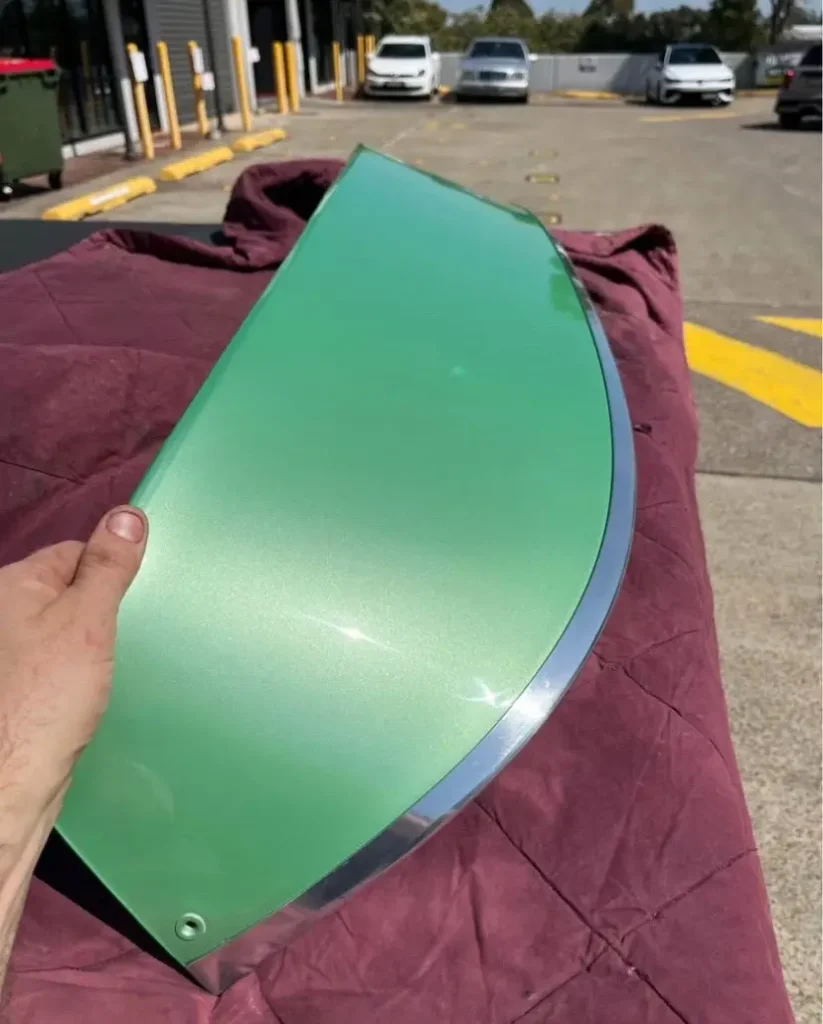
 Alt text: external sunvisor for Toyota Hilux fitted to dual-cab ute Caption: A correctly fitted external sunvisor reduces glare and windscreen heat on long Hilux drives.
 Alt text: solid vs mesh external sunvisor for Toyota Hilux comparison Caption: Solid sunvisors maximise shade; mesh options reduce wind noise on highway drives.
 Alt text: external sunvisor for Toyota Hilux mounting and installation Caption: Cut-to-fit sunvisors clip onto the windscreen frame without drilling.
Leave a Reply