A Nissan Patrol GU external sunvisor is one of the most recognisable upgrades you can fit to a GU — it cuts glare, shades the dash on long desert runs, and gives the front end that classic touring-rig profile. But the GU spans four series built over almost two decades, and windscreen height, header panel shape, and factory mounting points shifted enough between them that a visor cut for one series can sit proud, gap at the corners, or foul a snorkel on another. This Nissan Patrol GU external sunvisor: complete fitment guide walks through exactly what to check for a clean, factory-look fit.

Quick answer: Always buy a visor specifically listed for “GU Patrol,” not a generic Y61 or universal 4WD visor. Confirm your series (1–4), tell the seller if you’re running a snorkel, and dry-fit before committing to adhesive or drilled brackets.
Why the GU Is Fussy About External Sunvisor Fitment
The GU Patrol’s windscreen surround and header panel curvature changed subtly across its production run, and Nissan also revised the roof pressing and A-pillar trims at several facelifts. A visor is a rigid, one-piece (or two-piece) shell, so it can only follow one exact curve. Buy the wrong profile and you’ll see it immediately: a gap under the visor edge that whistles at highway speed, uneven reveal along the top of the windscreen, or brackets that don’t line up with the factory holes behind the header trim.
Series 1–4: what actually changed
| Series | Approx. years | Fitment note |
|---|---|---|
| Series 1 | 1997–2001 | Original header panel and grille surround; earliest mounting point layout. |
| Series 2 | 2001–2004 | Facelifted grille and headlights; visor profile carries over but confirm bracket spacing. |
| Series 3 | 2004–2010 | Revised front-end styling; most aftermarket “GU visor” listings are cut to this and later profiles. |
| Series 4 | 2010–2016 | Final facelift with reshaped headlights and bonnet line; double-check listings explicitly cover Series 4. |
Sellers don’t always split listings by series, so when a product page simply says “GU Patrol 1997–2016,” message the supplier and confirm your build date and series before ordering — especially if your Patrol is a Series 1 or a late Series 4, which sit at either end of the range.
Solid vs Mesh: Choosing Your Nissan Patrol GU External Sunvisor
The two common styles of Nissan Patrol GU external sunvisor behave differently once fitted, so the right choice depends on how you use the vehicle as much as looks. See our step-by-step fitting guide below once you’ve picked a style.
Solid steel visor
A one-piece pressed steel shell, usually supplied in grey primer for top-coating to your paint code. It gives constant shade regardless of sun angle, adds a squared-off, factory-plus look, and is the style most GU owners fit for a touring or show finish. It’s heavier, so mounting bracket condition matters more, and some solid visors are not compatible with a roof-mounted snorkel — always confirm with the supplier if your Patrol has one fitted.
Mesh / shutter-style visor
A perforated alloy or mesh panel in a frame, lighter than solid steel and generally rated for a static and on-road load (commonly in the 25–40 kg on-road range, reduced off-road, per most Australian manufacturers’ guides). This makes it a practical base for a rooftop tent or a spare jerry can mount, provided you fit the underside bracing the manufacturer specifies for loads above the standard rating. It’s also less likely to interact with an A-pillar-mounted snorkel intake.
Load ratings aren’t universal. Static rating, on-road rating, and off-road rating are three different numbers, and off-road capacity is typically cut by around 30% from the on-road figure. Get the exact figures for your specific product from the manufacturer rather than assuming another brand’s spec applies — see Roof Rack World’s load rating explainer for a worked example.
Checking Compatibility Before You Buy
- Snorkel: A-pillar or guard-mounted snorkels usually clear a visor without issue, but some solid visor profiles sit close enough to the roofline to interfere. Send photos of your setup to the supplier if you’re unsure.
- Roof racks: A full-length flat rack set back from the front roof edge generally coexists fine with an external visor; a rack that extends forward over the windscreen header can shade the same area and make a visor redundant, or physically clash with its top edge.
- Window tint: If you’ve already got a tint strip across the top of the windscreen, factor that in — some owners run one or the other rather than both, since the combined shading can sit lower than expected at certain sun angles.
- Bull bar and bonnet protector: These don’t usually conflict with a visor, but double-check bonnet protector height against the visor’s front lip if both are aftermarket parts from different suppliers.
Fitting Your Nissan Patrol GU External Sunvisor
Most Nissan Patrol GU external sunvisor kits are designed as a bolt-on or bonded fit using the factory mounting points behind the windscreen header trim, with brackets, fittings, and instructions included. Expect roughly 45–60 minutes with basic hand tools for a bracket-mounted kit; adhesive-only kits are quicker but need a longer cure time before highway driving. Beyond looks, a well-fitted visor genuinely helps: the National Road Safety Partnership Program’s sun glare fact sheet notes glare can cause momentary blindness and delayed reaction times, which is exactly what a visor is designed to reduce.
- Confirm series and dry-fit. Sit the visor on the windscreen header without adhesive or bolts to check the curve matches and the gap along the top edge is even side to side.
- Remove and clean the mounting surface. Strip any old trim, wax, or residue from the header panel with isopropyl alcohol or a dedicated panel prep wipe — adhesive and paint won’t bond properly over wax or dust.
- Locate or drill mounting points. Factory-fit kits use existing holes behind the header trim; if brackets require new holes, mark and centre-punch before drilling, and deburr and seal any bare metal to prevent rust.
- Fit brackets loosely first. Attach all brackets to the visor and vehicle hand-tight before fully tightening any single point, so the shell can settle evenly and you can correct alignment.
- Torque and seal. Tighten fasteners to a firm, even grip (avoid overtightening pressed steel), then run a bead of automotive sealant along the top mounting edge to stop water tracking behind the header trim.
- Cure before highway driving. If any part of the fit relies on structural adhesive, leave the vehicle stationary for the period the manufacturer specifies — commonly around 12 hours — before driving at speed.
Nissan Patrol GU External Sunvisor Buyer’s Checklist
- Listing explicitly names “GU Patrol” (not just “Patrol” or generic Y61/4WD) and, ideally, your series
- Confirmed compatible with your snorkel and roof rack setup, if fitted
- Mounting brackets, fasteners, and instructions included
- Clear load rating figures (static, on-road, off-road) if you plan to mount anything on top
- Finish matches your plan — primer for top-coating to your paint code, or a factory-finish gloss black
- Realistic lead time confirmed — solid steel visors are often made to order
Nissan Patrol GU External Sunvisor: Frequently Asked Questions
- Will a GQ Patrol visor fit a GU?
- No. The GQ and GU have different windscreen and header panel curvature, so a GQ-specific visor will not sit flush on a GU — always buy a Nissan Patrol GU external sunvisor listed specifically for the GU.
- Does fitting an external sunvisor affect fuel economy?
- Any exterior addition creates some extra drag, but most GU owners report the effect is negligible next to a roof rack, bull bar, or roof-top tent, and is rarely noticeable in day-to-day driving.
- Can I fit a visor myself, or does it need a workshop?
- Most bolt-on kits are designed for a competent home installer with basic hand tools. If your fitment requires new holes in the header panel or interacts with a snorkel, it’s worth a trial dry-fit — or a quick check with the supplier — before drilling.
- Can I mount a rooftop tent or jerry cans on the visor?
- Only if the specific visor is rated for it and you fit any underside bracing the manufacturer requires above the standard load rating. Check the static, on-road, and off-road figures for your exact product first.
shop with us
-
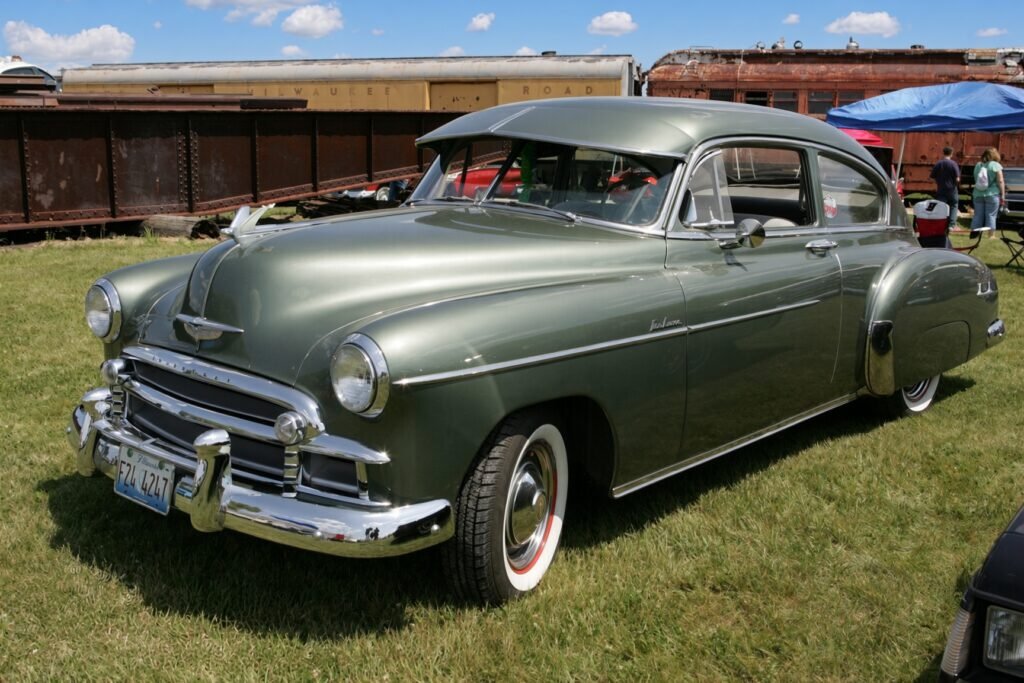
1949-52 Chevrolet Pontiac Solid Windscreen Sun visors
$500.00 -
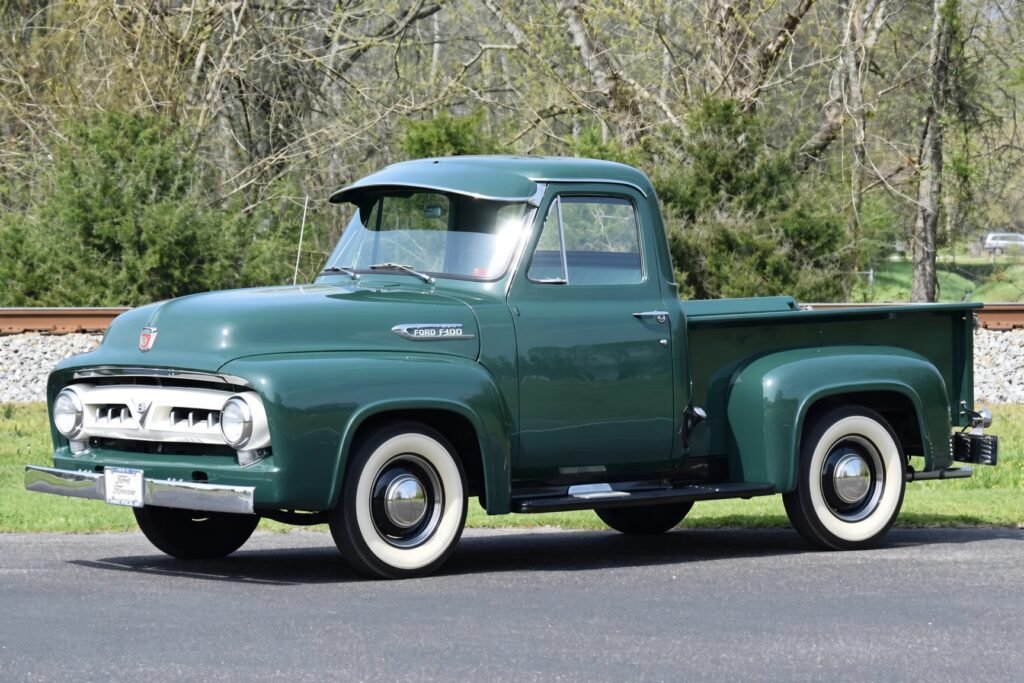
1953 Ford F-100 Windscreen sun visors
$450.00 -
1HD-FT Intake adapter
Original price was: $396.00.$350.00Current price is: $350.00. -
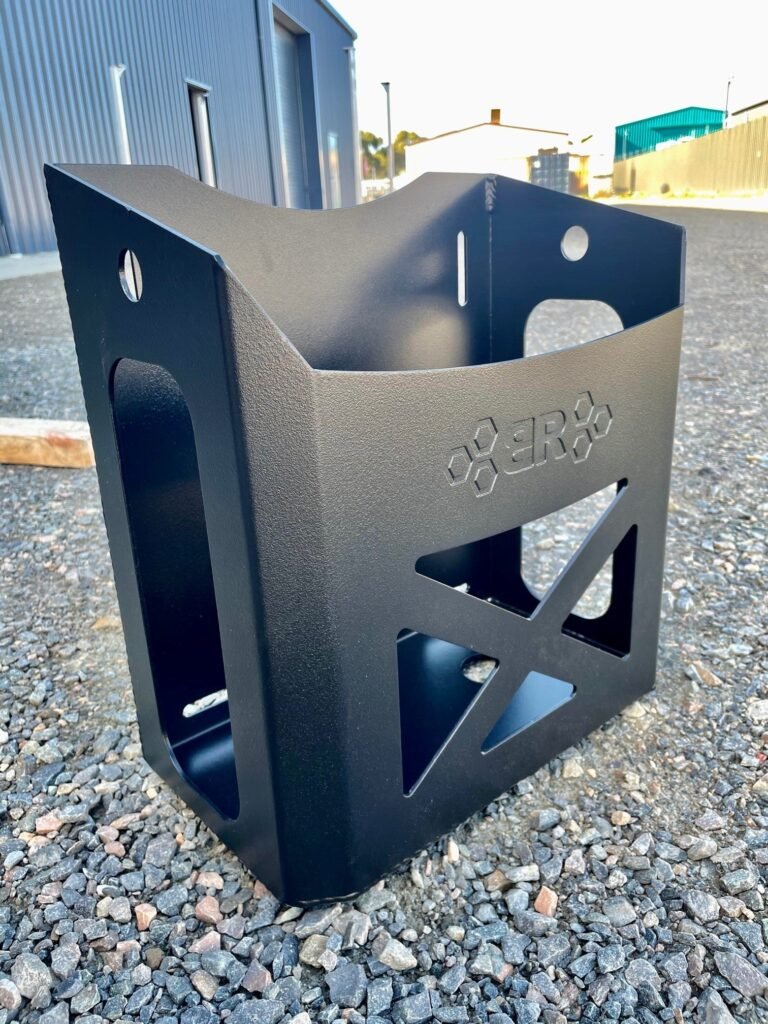
20L Single Jerry can holder
$264.00
Leave a Reply